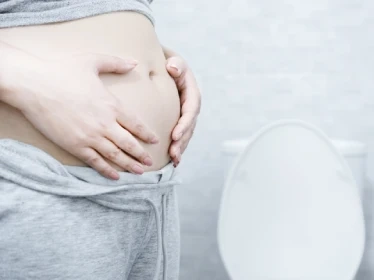
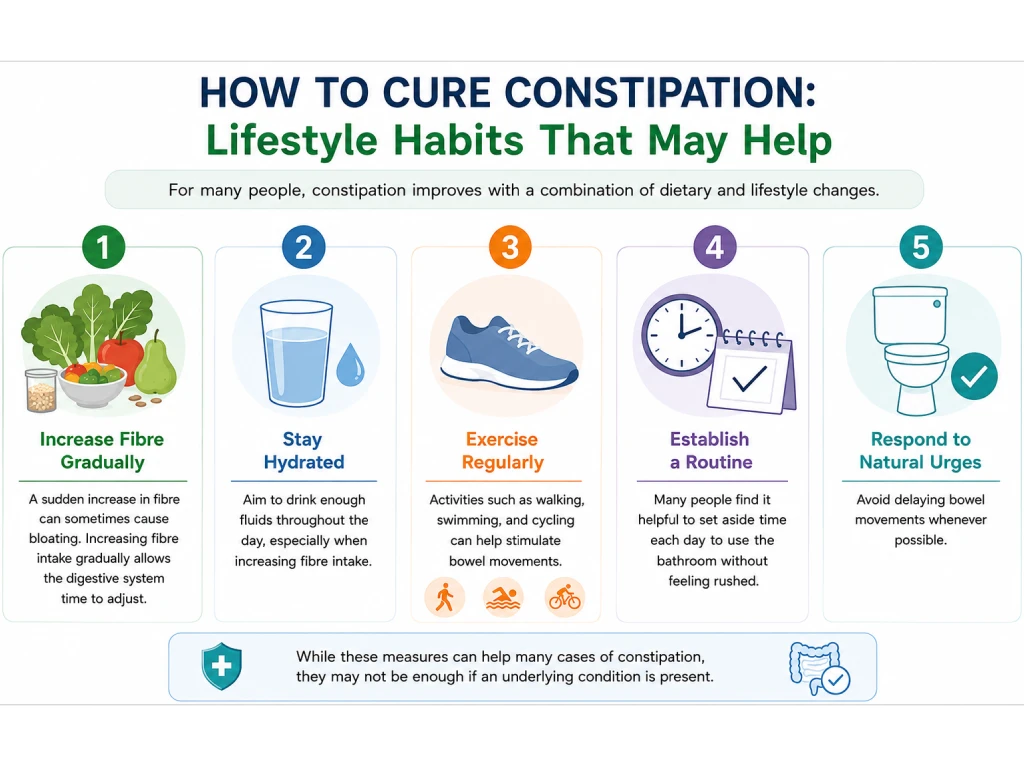
Most people experience constipation at some point. It can happen after travelling, during periods of stress, or when daily routines change. For many, the solution seems simple, eat more fibre, drink more water, and stay active.
While these lifestyle changes often help, constipation is not always just a diet issue. When symptoms persist, worsen over time, or are accompanied by warning signs, they may indicate an underlying digestive condition that requires medical attention.
Understanding how constipation happens, what lifestyle factors may contribute to it, and when to seek medical advice can help you take better care of your digestive health.
How Does Constipation Happen?
Constipation occurs when stool moves too slowly through the digestive tract. As it remains in the colon for longer periods, more water is absorbed, making the stool harder, drier, and more difficult to pass.
People often think constipation simply means not having a bowel movement every day. However, bowel habits vary from person to person.
You may be experiencing constipation if you notice:
- Fewer bowel movements than usual
- Hard or lumpy stools
- Straining during bowel movements
- A feeling that you have not completely emptied your bowels
- Bloating or abdominal discomfort
Occasional constipation is common and usually improves with lifestyle adjustments. However, persistent symptoms should not be ignored.
Is Your Diet Causing Constipation?
Diet is one of the most common factors linked to constipation.
- Not eating enough fibre
- Not drinking enough water
Other common causes of constipation
- Lack of physical activity
- Ignoring the urge to go pass stool
- Certain medications
- Ageing
- Medical conditions
Foods for Constipation: What Should You Eat?
Making the right dietary changes is often the first step in managing constipation.
1. Fruits
Many fruits are rich in fibre and natural compounds that support bowel movements, such as:
- Papaya
- Kiwi
- Apples
- Pears
- Prunes
2. Vegetables
Vegetables provide both fibre and water, which support digestive health. Good options include:
- Broccoli
- Spinach
- Carrots
- Sweet potatoes
- Leafy greens
3. Whole Grains
Replacing refined grains with whole-grain alternatives may help increase fibre intake. Examples include:
- Oats
- Brown rice
- Wholemeal bread
- Whole-grain cereals
4. Legumes
Beans, lentils, and chickpeas are excellent sources of dietary fibre and can help improve bowel regularity.
5. Water
Even the best diet for constipation may not work effectively without adequate fluid intake. Drinking enough water helps fibre soften stools and move waste through the digestive tract more efficiently.
Constipation Danger Signs You Should Not Ignore
Occasional constipation is usually harmless. However, certain symptoms require medical evaluation.
1. Blood in the Stool
This may appear as bright red blood or dark, tarry stools and should always be assessed by a doctor.
2. Unexplained Weight Loss
Losing weight without trying can sometimes indicate an underlying medical condition and should not be ignored.
3. Persistent Changes in Bowel Habits
If constipation continues for several weeks despite dietary and lifestyle changes, further evaluation may be needed.
4. Severe Abdominal Pain
Significant abdominal pain, persistent bloating, nausea, or vomiting should be assessed promptly.
5. Pencil-Thin Stools
A persistent change in stool shape, particularly pencil-thin stools, may require further investigation.
6. A Family History of Colorectal Cancer
Individuals with a family history of colorectal cancer should be more vigilant about changes in their bowel habits and seek medical advice if symptoms develop.
When Constipation May Be a Sign of Something More Serious
While most cases are related to diet and lifestyle, persistent constipation can sometimes be linked to underlying conditions such as:
- Colorectal polyps
- Colorectal cancer
- Intestinal narrowing or blockage
- Pelvic floor disorders
- Thyroid disorders
- Neurological conditions affecting bowel function
This does not mean every case of constipation is serious. However, ongoing symptoms should not be dismissed.
How Doctors Investigate Persistent Constipation
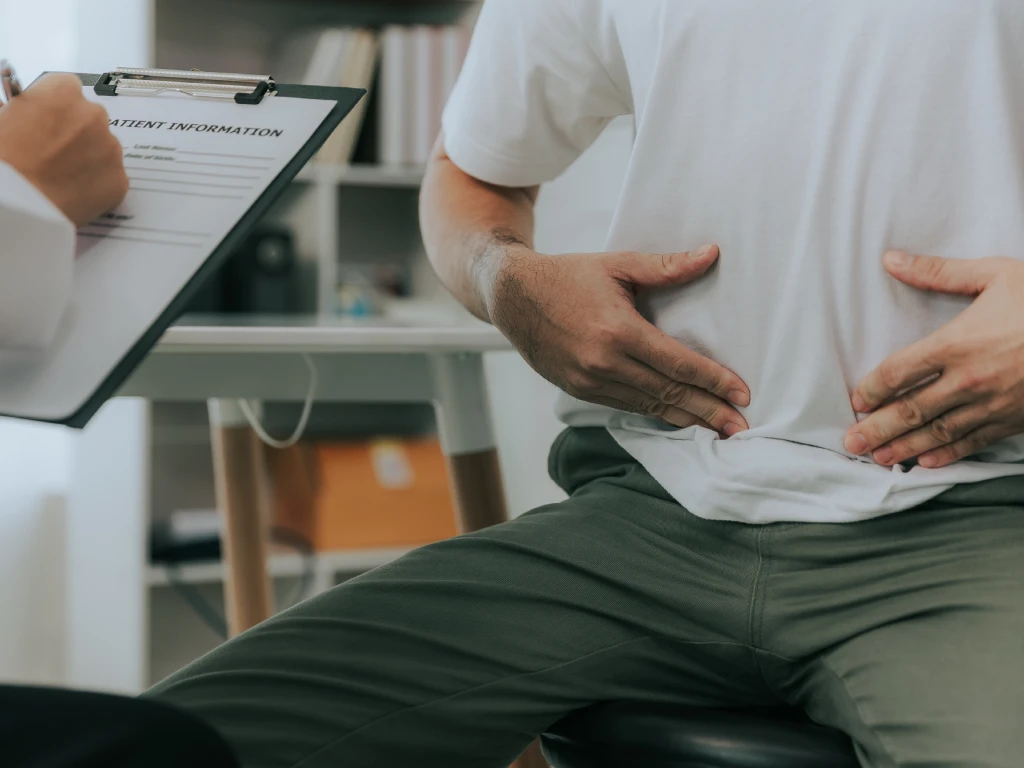
If constipation is ongoing or accompanied by warning signs, your doctor may recommend further evaluation to identify the underlying cause.
This may include:
- Reviewing your symptoms and medical history
- Performing a physical examination
- Blood tests
- Imaging studies
- Colonoscopy
A colonoscopy allows doctors to examine the lining of the colon and rectum for abnormalities such as polyps, inflammation, or other conditions that may be contributing to your symptoms.
Early assessment can help identify treatable conditions and allow appropriate management before they become more serious.
Don’t Ignore Persistent Constipation
Constipation is often manageable with the right diet and lifestyle habits. However, when symptoms persist or begin to affect your quality of life, it is important to look beyond diet alone and seek medical advice.
At TEN Surgery Singapore, our colorectal surgeons, Dr Eugene Yeo, Dr Ng Kheng Hong, and Dr Toh Ee-Lin, provide specialist evaluation and management for a wide range of colorectal and bowel conditions, including chronic constipation, changes in bowel habits, colorectal polyps, inflammatory bowel disease, and colorectal cancer.
Whether you are seeking reassurance or further investigation, early assessment can help identify the cause of persistent constipation and support better health with greater peace of mind.
Related Doctor

Dr Eugene Yeo
Senior Consultant General & Colorectal Surgeon MBBS (Singapore), MMed (Surgery), FRCS (Ed), FAMS (Singapore)
Dr Ng Kheng Hong
Senior Consultant General & Colorectal Surgeon MBBS (Singapore), MMed (Surgery), FRCS (Ed), FAMS (General Surgery)
Dr Tan Qing Ting
Senior Consultant Breast Surgeon MBBS (Singapore), MRCS (Edinburgh), MMed (Singapore), FRCS (Edinburgh)
Dr Toh Ee-Lin
Senior Consultant General & Colorectal Surgeon MBBS (Singapore), MMed (Surgery), FRCS (Edinburgh), FAMS (Singapore)Related Clinic

TEN Surgery Group (Gleneagles)


TEN Surgery Group (Mount Elizabeth Novena)
TEN Surgery Group (Mount Elizabeth)