What is Stoma?

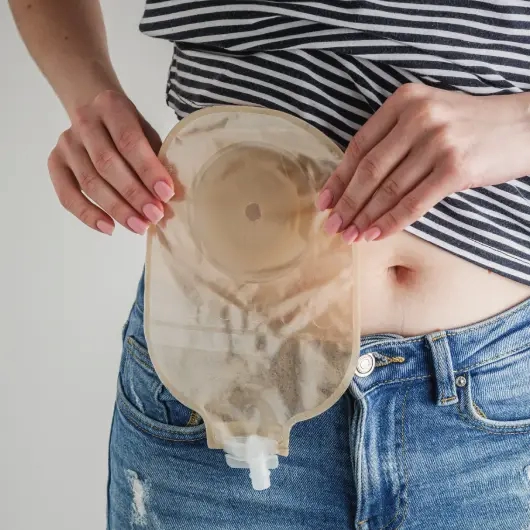
A stoma is a surgically created opening on the abdomen that allows waste to exit the body when the normal digestive or urinary pathway isn’t functional or needs time to heal. Waste is collected externally using a stoma bag (also called an ostomy bag).
A stoma can be temporary or permanent, depending on the underlying condition and treatment plan. With proper education and support, many patients continue to lead full, active lives.
How Does a Stoma Work?
The stoma provides an alternative route for stool or urine to leave the body when the usual pathways aren’t working. Since the stoma itself has no nerve endings, it doesn’t cause pain.
Waste passes through the stoma into a secure and discreet external pouching system. Modern stoma bags are designed for comfort, easy wear, and daily use, allowing patients to live as actively as they did before.
Types of Stoma
There are different types of stomas, depending on which part of the digestive or urinary system is involved:
- Colostomy: Created from the colon.
- Ileostomy: Created from the small intestine.
- Urostomy: Diverts urine from the urinary system.
Knowing the type of stoma helps guide the choice of care, appliances, and lifestyle adjustments.
Why a Stoma May Be Needed
A stoma may be necessary as part of the treatment for various medical conditions, including:
- Colorectal conditions or cancer
- Inflammatory bowel disease
- Bowel obstruction or injury
- Protection of surgical healing after bowel surgery
Stoma surgery may be planned in advance or performed as an emergency, depending on the situation.
Living With a Stoma
Living with a stoma requires adapting to new routines, but most patients adjust well with the right support and guidance. Daily life with a stoma typically includes:
- Learning how to empty and change the ostomy bag
- Gradually adjusting your diet
- Resuming work, exercise, and social activities
Support from healthcare professionals plays an important role in building confidence and independence.
Possible Stoma Complications
As with any medical procedure, stomas can be associated with complications. Common stoma complications include:
- Skin irritation
- Leakage
- Stoma prolapse, where the stoma protrudes more than expected, causing the bowel tissue to extend outward.
Managing Stoma Prolapse
- Mild prolapse: Can be managed conservatively with adjustments to the stoma care routine.
- Severe prolapse: May require medical or surgical intervention to correct.
Ostomy Reversal

In some cases, a stoma is created temporarily, with the goal of reversing it once healing is complete. Ostomy reversal is a surgical procedure where the bowel or urinary tract is reconnected, restoring normal function. This is typically considered when the condition that required the stoma has healed or resolved.
The decision to undergo ostomy reversal depends on the patient's overall health, progress, and the reason for the initial stoma. Like any surgery, there are potential risks and complications, which should be discussed with a specialist before deciding on reversal.
When to See a Doctor
Consult a doctor if you experience:
- Persistent leakage or skin irritation
- Sudden changes in the appearance of the stoma
- Pain, swelling, or bleeding around the stoma
- Difficulty managing the stoma or concerns about its care
Frequently Asked Questions
Not always. Some stomas are temporary, while others are permanent, depending on your condition and treatment plan.
Yes. With proper education and support, most people return to normal daily activities, including work, exercise, and socialising.
The stoma itself doesn’t cause pain, as it lacks nerve endings. However, surrounding skin may need care to prevent irritation.
If your stoma bag leaks, it's important to act quickly. Clean the area thoroughly, change the bag, and assess whether the bag was applied correctly. If leaks continue, consult your care team for advice on improving the fit.
Yes, people with stomas can travel just like anyone else. It’s a good idea to carry extra supplies, plan for bathroom access, and ensure your stoma care routine is well-maintained during the trip.
Available at

TEN Surgery Group (Gleneagles)


TEN Surgery Group (Mount Elizabeth Novena)

TEN Surgery Group (Mount Elizabeth)