What Are Breast Lumps?
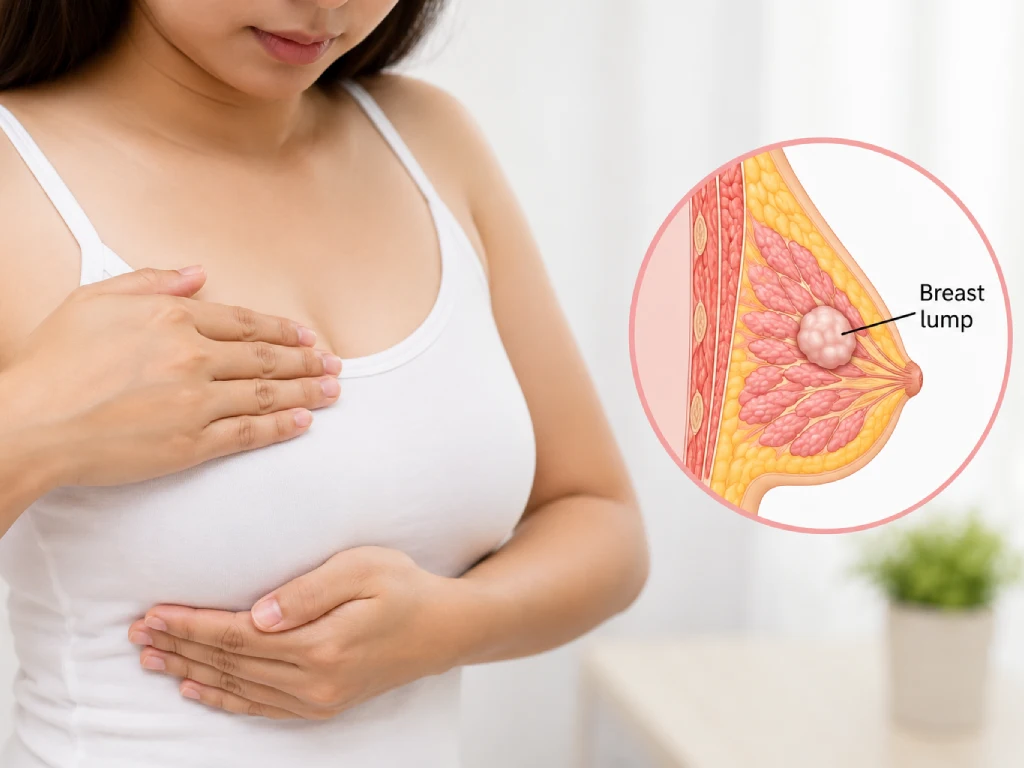
Breast lumps are common and most are non-cancerous (benign). Causes include hormonal changes, fluid-filled cysts, benign growths such as fibroadenomas and inflammation.
While most breast lumps are not cancerous, any new or persistent breast lump should be assessed to determine the cause and exclude breast cancer.
Common Causes of Breast Lumps
Common benign causes of breast lumps include:
- Fibroadenoma
- Breast cysts
- Benign phyllodes tumour
- Lipoma
- Intraductal papilloma
- Fat necrosis
- Fibrocystic breast changes
Signs and Symptoms
Breast lumps may present as:
- A new lump
- Localised breast pain or tenderness
- Localised breast thickening
- Breast swelling
- A change in breast shape or contour
Some breast lumps do not cause symptoms and are detected only on breast imaging
How are Breast Lumps Diagnosed?
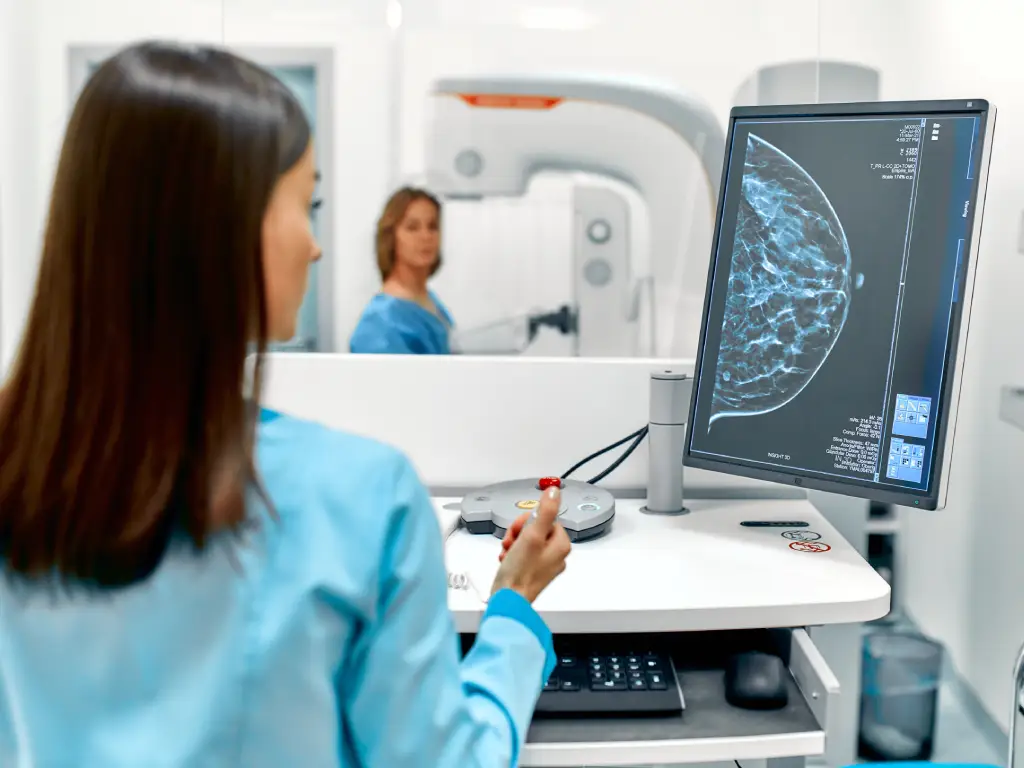
It is not always possible to determine the nature of a breast lump based on how it feels alone. Proper assessment often requires a combination of clinical examination, breast imaging and occasionally tissue sampling.
Clinical Breast Examination
A consultation and physical examination help assess the size, location and characteristics of the lump.
Breast Imaging
Investigations may include:
- Mammogram
A low-dose X-ray of the breast commonly used in women aged 40 years and above. - Breast ultrasound
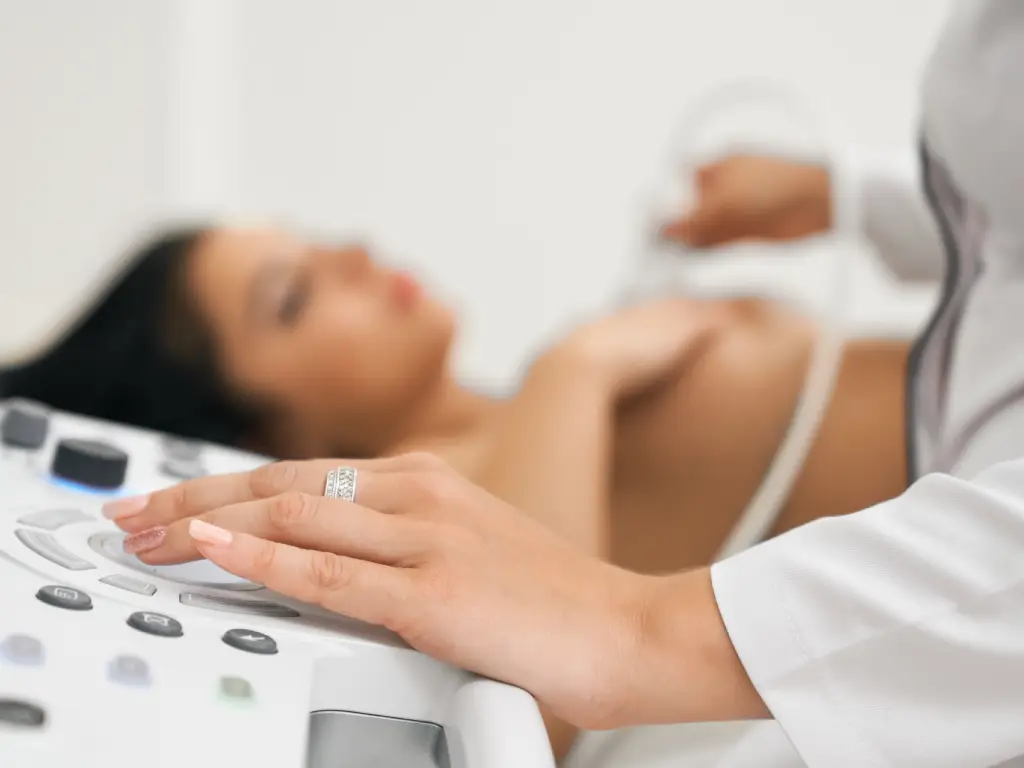
Useful for evaluating breast lumps and distinguishing solid lumps from fluid-filled cysts. Breast ultrasound is also commonly used to monitor benign breast lumps over time. It is particularly helpful in younger women and women with denser breast tissue. - Breast MRI
Used selectively in patients who require further evaluation. - Breast Biopsy
A biopsy involves obtaining small tissue samples for microscopic examination and may be recommended when imaging findings are indeterminate or suspicious.
Treatment and Management
Treatment depends on the underlying cause of the breast lump, the presence of symptoms and individual patient preferences.
1. Observation
Many benign breast lumps can be safely monitored with periodic clinical review and imaging.
2. Needle Aspiration
Symptomatic breast cysts may be treated by draining the fluid with a fine needle aspiration procedure.
3. Surgical Excision
Surgery may be considered when a breast lump is:
- Increasing in size
- Causing discomfort
- Cosmetically noticeable
- Associated with indeterminate or suspicious imaging or biopsy findings
In selected patients, minimally invasive techniques may be suitable for the removal of certain benign breast lumps.
When Should You See a Doctor?
You should seek medical attention if you notice:
- A new breast lump
- A lump that persists or increases in size
- Persistent breast pain
- Skin dimpling, thickening or redness
- New nipple inversion or persistent changes involving the nipple or areola
- Bloody nipple discharge
- A lump in the armpit
Although most breast lumps are benign, proper evaluation is important to exclude breast cancer.
Book An AppointmentFrequently Asked Questions (FAQ)
Most painful breast lumps are not cancerous. Pain is often linked to hormonal changes within the breast or benign breast conditions such as cysts.
Most benign breast lumps are not associated with an increased risk of breast cancer. Some benign breast conditions may be associated with a slightly higher risk and may require additional evaluation or follow-up.
No. Many benign breast lumps can be safely monitored without surgery. Treatment recommendations depend on the type of lump, symptoms, imaging findings and patient preferences.
Some benign breast conditions may recur, or new lumps may develop over time, particularly in women with fibrocystic breast changes.
Yes. Men can develop breast lumps