What Is Gastroscopy?

Gastroscopy is a medical procedure used to examine the upper digestive tract, including the oesophagus, stomach, and duodenum (first part of the small intestine). It is performed using a thin, flexible camera passed gently through the mouth.
Gastroscopy allows doctors to directly assess the cause of symptoms such as upper abdominal pain, persistent acid reflux, or suspected gastrointestinal bleeding, and to guide further treatment when needed.
Conditions Evaluated Using Gastroscopy
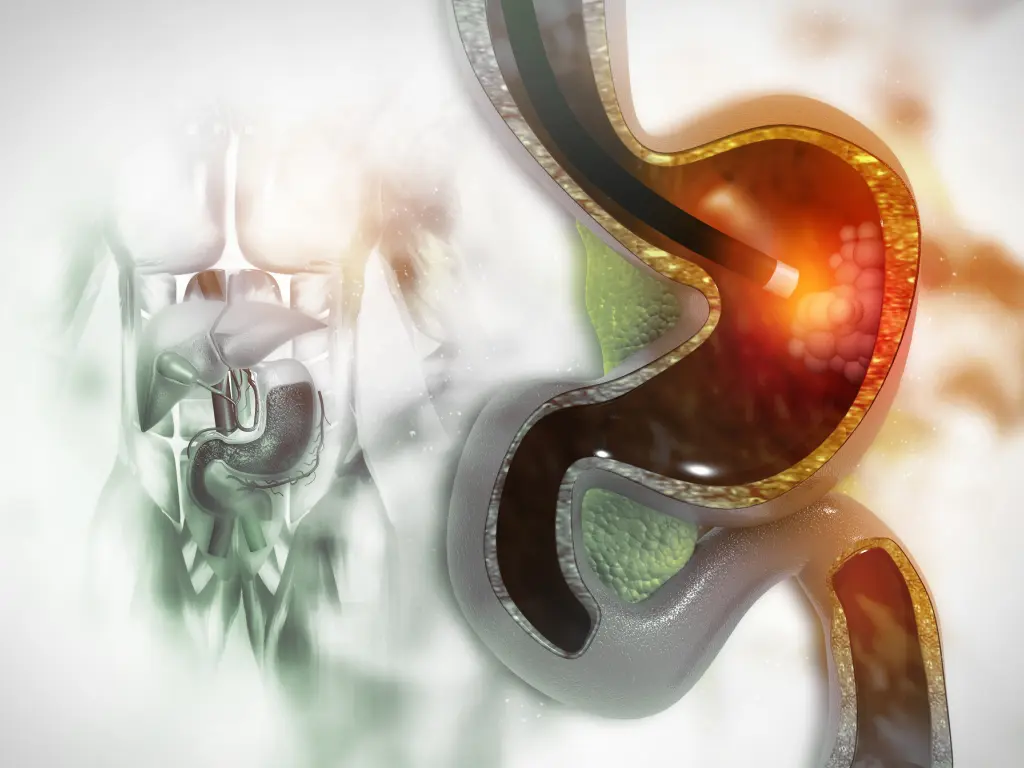
Gastroscopy is commonly used to assess and manage conditions affecting the upper digestive system, including:
- Gastroesophageal reflux disease (GERD)
- Peptic ulcers
- Inflammation of the stomach or oesophagus
- Sources of upper gastrointestinal bleeding
By identifying the underlying cause, gastroscopy supports targeted treatment rather than managing symptoms alone.
Gastroscopy Procedure: What to Expect?
Before the Gastroscopy Procedure:
Proper gastroscopy preparation is essential for a safe and effective procedure. Patients are usually advised to:
- Fast for several hours before the procedure
- Temporarily stop certain medications if instructed
- Inform the doctor of existing medical conditions
During the Gastroscopy Procedure:
The gastroscopy procedure typically takes about 10 to 20 minutes. Most patients receive sedation to improve comfort.
Patients often ask whether gastroscopy is painful. With sedation, discomfort is usually minimal, and many patients have little memory of the procedure. If needed, a small tissue sample (biopsy) may be taken during gastroscopy for further analysis. This is painless and does not affect recovery time.
After the Gastroscopy Procedure:
Findings from the gastroscopy may be discussed shortly after the procedure, depending on what is seen. If biopsies are taken, results are usually available after laboratory analysis.
Based on the results, your doctor may recommend medication, lifestyle changes, or further evaluation.
Recovery After Gastroscopy Procedure:
Recovery after gastroscopy is generally quick. After sedation, patients are monitored briefly before being discharged. Common short-term effects may include:
- Mild throat discomfort
- Temporary bloating
- Drowsiness from sedation
Most patients can resume normal activities the following day.
When Is Gastroscopy Recommended?

Gastroscopy is recommended when symptoms suggest a condition affecting the upper digestive system that requires direct examination. These situations may include:
- Persistent upper abdominal pain or upper left abdominal pain
- Symptoms not responding to GERD medications
- Suspected peptic ulcers
- Signs of gastrointestinal bleeding, such as black stools or vomiting blood
- Unexplained nausea, vomiting, or difficulty swallowing
In these cases, gastroscopy helps clarify the diagnosis and determine the most appropriate treatment or further management.
Book an AppointmentFrequently Asked Questions
Yes. Gastroscopy is commonly performed with sedation to improve comfort. This helps most patients tolerate the procedure well.
The procedure usually takes 10–20 minutes, depending on findings.
You can usually eat once the effects of sedation have worn off and your swallowing has returned to normal, unless advised otherwise by your doctor.
Recovery is usually quick. Most patients feel well the same day or by the next day and can resume normal activities shortly after.
No. Biopsies are taken only when needed to clarify findings or guide further treatment. The process is painless and does not affect recovery.
Available at

TEN Surgery Group (Gleneagles)

TEN Surgery Group (Mount Elizabeth Novena)

TEN Surgery Group (Mount Elizabeth)