What Are Breast and Nipple-Areolar Skin Changes or Lumps?
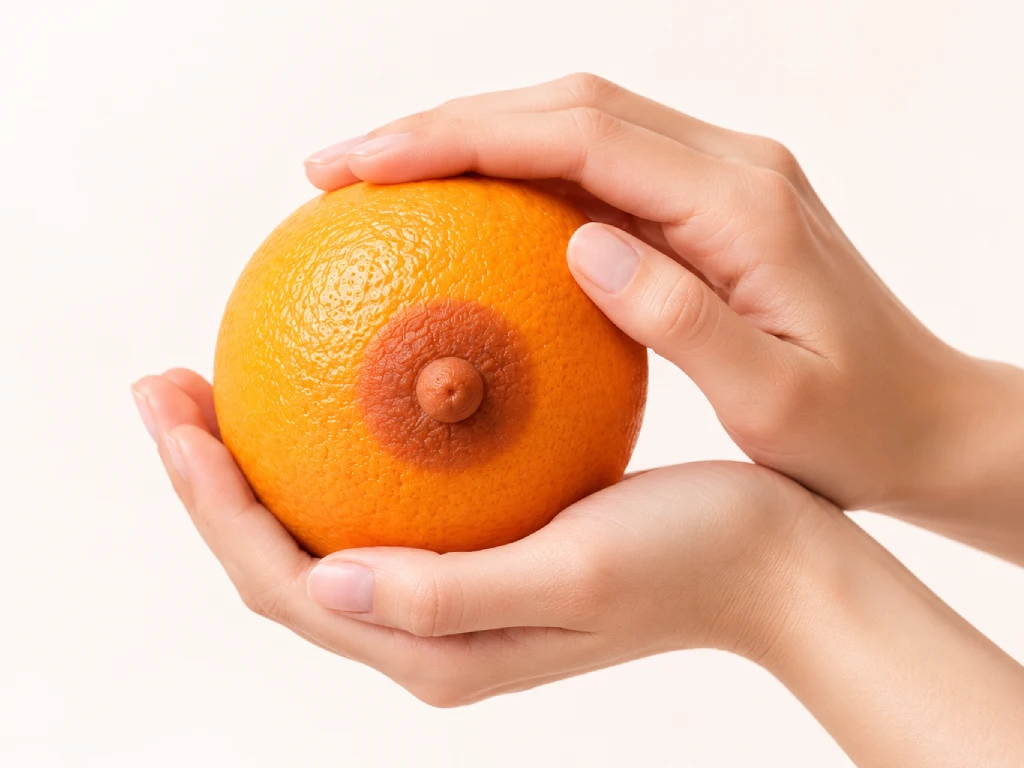
Changes affecting the skin of the breast or nipple-areolar complex may arise from a variety of conditions, ranging from benign skin disorders to breast cancer.
Most skin changes are harmless but persistent symptoms should be assessed.
How Do These Changes Develop?
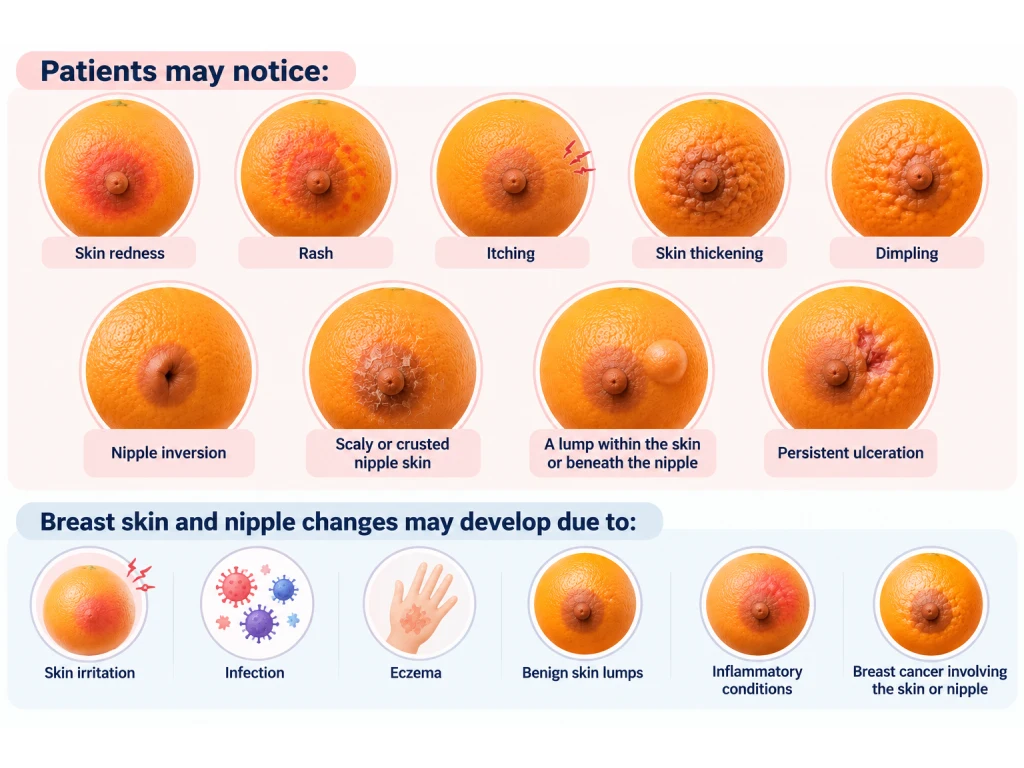
Breast skin and nipple changes may develop due to:
- Skin irritation
- Infection
- Eczema
- Benign skin lumps
- Inflammatory conditions
- Breast cancer involving the skin or nipple
Signs and Symptoms
Patients may notice:
- Skin redness
- Rash
- Itching
- Skin thickening
- Dimpling
- Nipple inversion
- Scaly or crusted nipple skin
- A lump within the skin or beneath the nipple
- Persistent ulceration
Causes and Risk Factors
Common causes include:
- Eczema
- Dermatitis
- Sebaceous cysts
- Skin tags
- Skin infections
Less commonly:
- Paget’s disease of the nipple
- Inflammatory breast cancer
- Underlying breast cancer
Managing Breast and Nipple Skin Changes
Treatment Options
Treatment depends on the underlying cause and may include:
- Topical medications
- Antibiotics
- Abscess drainage
- Biopsy of suspicious lesions
- Surgical treatment if required
Prevention
Some skin conditions may be reduced by:
- Avoiding skin irritation
- Maintaining good skin hygiene
- Managing eczema appropriately
When to see a Doctor
You should seek medical attention if you develop:
- Persistent nipple rash
- New nipple inversion
- Skin dimpling or tethering
- Persistent redness or thickening
- Ulceration
- A breast lump associated with skin changes
Frequently Asked Questions (FAQ)
Is nipple eczema always harmless?
Although eczema is common and non-cancerous, persistent nipple changes may occasionally mimic Paget’s disease and should be assessed.
Can breast cancer cause skin changes?
Yes. Some breast cancers can present with skin thickening, dimpling, redness or nipple changes.
Available at

TEN Surgery Group (Gleneagles) - Dr Tan Qing Ting


Telephone
+65 6475 5512