What is Diverticular Disease?

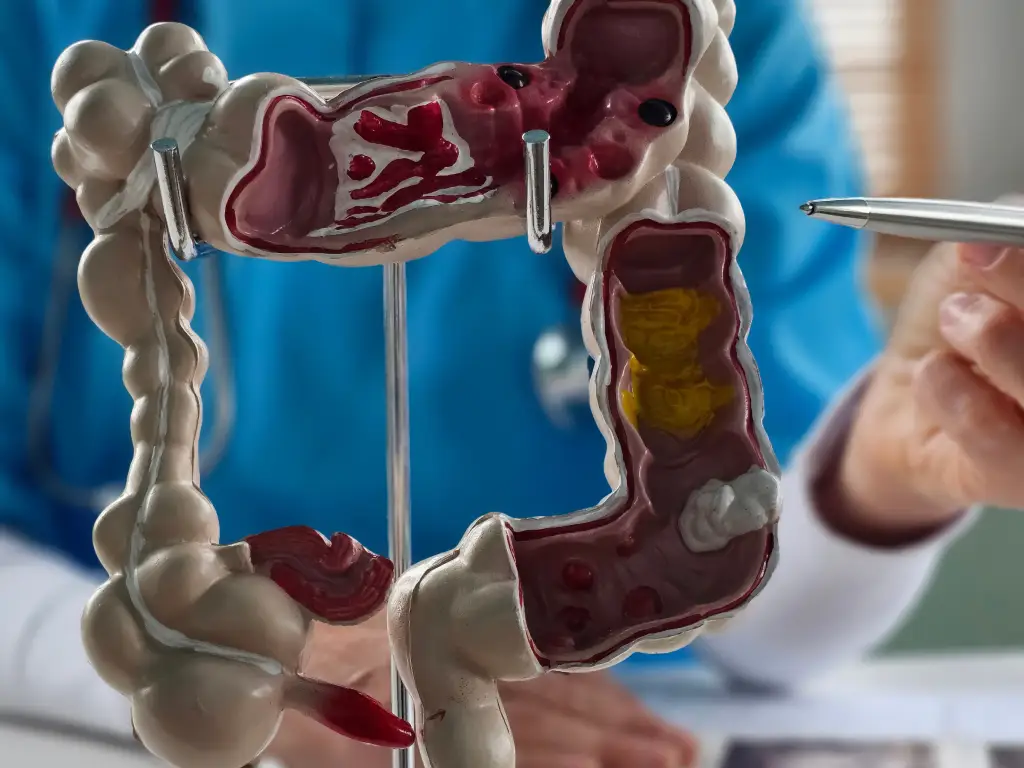
Diverticular disease is a condition affecting the colon (large intestine) where small pouches form along weaknesses in the bowel wall.
These small pouches are called diverticula (one pouch is called a diverticulum). Diverticular disease is associated with increased age as well as low fibre diets.
Diverticular disease includes two main conditions:
- Diverticulosis: describes the presence of diverticula without inflammation.
- Diverticulitis: occurs when these pouches become inflamed or infected.
Early identification helps prevent complications such as bleeding, abscesses, or bowel perforation.
How Diverticular Disease Develops?
Diverticular disease develops when weak areas of the colon wall bulge outward under pressure, forming small pouches. This pressure is often related to long-term constipation and straining during bowel movements.
In diverticulosis, these pouches are present but usually do not cause symptoms. Problems occur when stool or bacteria become trapped inside a pouch, leading to inflammation or infection. This painful condition is known as diverticulitis.
These pouches are most commonly found in the sigmoid colon, the lower part of the large intestine. In Singapore, diverticular disease is being diagnosed more often due to an ageing population and diets that are low in fibre.

Signs and Symptoms
Symptoms vary depending on whether a person has diverticulosis or diverticulitis.
Diverticulosis
Many people with diverticulosis have no symptoms. When symptoms occur, they may include:
- Mild abdominal discomfort or bloating
- Changes in bowel habits, such as constipation or diarrhoea
- Occasional rectal bleeding, which may be sudden and painless
Diverticulitis
Diverticulitis usually causes more noticeable symptoms, including:
- Persistent pain in the lower left side of the abdomen
- Fever or chills, suggesting infection
- Nausea or vomiting
If left untreated, diverticulitis can lead to complications such as abscess formation, bowel obstruction, or perforation.
Causes and Risk Factors
Several factors increase the risk of developing diverticular disease, especially in Singapore’s ageing population:
- Increasing age, especially above 50 years
- Low-fibre diet common in processed or refined foods
- Chronic constipation or frequent straining
- Sedentary lifestyle
- Obesity
- Smoking
- Certain medications such as long-term use of pain relievers (NSAIDs)
- Family history of colonic diverticulosis
Managing Diverticular Disease
Management depends on whether the condition is diverticulosis or diverticulitis, as well as symptom severity. Most people can manage diverticular disease with lifestyle changes and medical treatment, while surgery is reserved for complicated cases.
Treatment Options
Treatment for diverticulosis focuses on preventing progression and complications. Diverticulitis treatment aims to control infection, relieve symptoms, and prevent recurrence. Common treatment options include:
- Dietary modification: A high-fibre diet to soften stool and reduce bowel pressure
- Medications: Pain relief may be used to control discomfort. Antibiotics may be prescribed for diverticulitis, particularly in patients with signs of infection or higher risk of complications.
- Bowel rest: Temporary liquid diet or low-residue diet during acute diverticulitis episodes
- Hospital care: For severe diverticulitis with fever, dehydration, or complications
- Diverticulitis surgery: Recommended if there are repeated attacks, bowel perforation, abscesses, or uncontrolled bleeding. Surgery may involve removing the affected segment of the colon and is available in both public and private hospitals in Singapore
Most patients recover well with appropriate treatment and follow-up.
Prevention
While diverticula cannot always be prevented, the risk of symptoms and complications can be reduced:
- Eat a high-fibre diet with fruits, vegetables, and whole grains
- Drink sufficient water daily
- Exercise regularly
- Avoid smoking
- Maintain a healthy body weight
- Seek medical advice if there are persistent changes in bowel habits
Diverticular disease is not routinely screened for, but it is often detected incidentally during tests performed for other reasons. In Singapore, diverticula may be identified during:
- Colonoscopy: commonly performed for colorectal cancer screening or evaluation of bowel symptoms
- Imaging tests: such as CT scans of the abdomen done for abdominal pain or other conditions
When to See a Doctor
You should seek medical advice if you experience:
- Persistent or worsening abdominal pain
- Fever with abdominal discomfort
- Sudden rectal bleeding
- Recurrent episodes of diverticulitis symptoms
- Nausea or vomiting that does not improve
Early consultation allows timely treatment and helps prevent serious complications. Many patients experience significant relief once the correct diagnosis is made.
Book an AppointmentFrequently Asked Questions
Diverticulosis is often mild and manageable. However, diverticulitis can become serious if complications such as infection, bleeding, or bowel perforation occur. Early treatment greatly reduces these risks.
Yes. Diverticular bleeding can occur when blood vessels near a diverticulum rupture. This may cause sudden painless rectal bleeding and should be assessed by a doctor promptly.
Diverticulosis refers to the presence of diverticula without inflammation. Diverticulitis occurs when these pouches become inflamed or infected, leading to pain and other symptoms.
You may consult a colorectal surgeon or gastrointestinal specialist. Both public hospitals and private specialist clinics in Singapore offer evaluation, colonoscopy, and surgical care when needed.
Available at

TEN Surgery Group (Gleneagles)


TEN Surgery Group (Mount Elizabeth Novena)
TEN Surgery Group (Mount Elizabeth)