What Is Gallbladder Surgery?
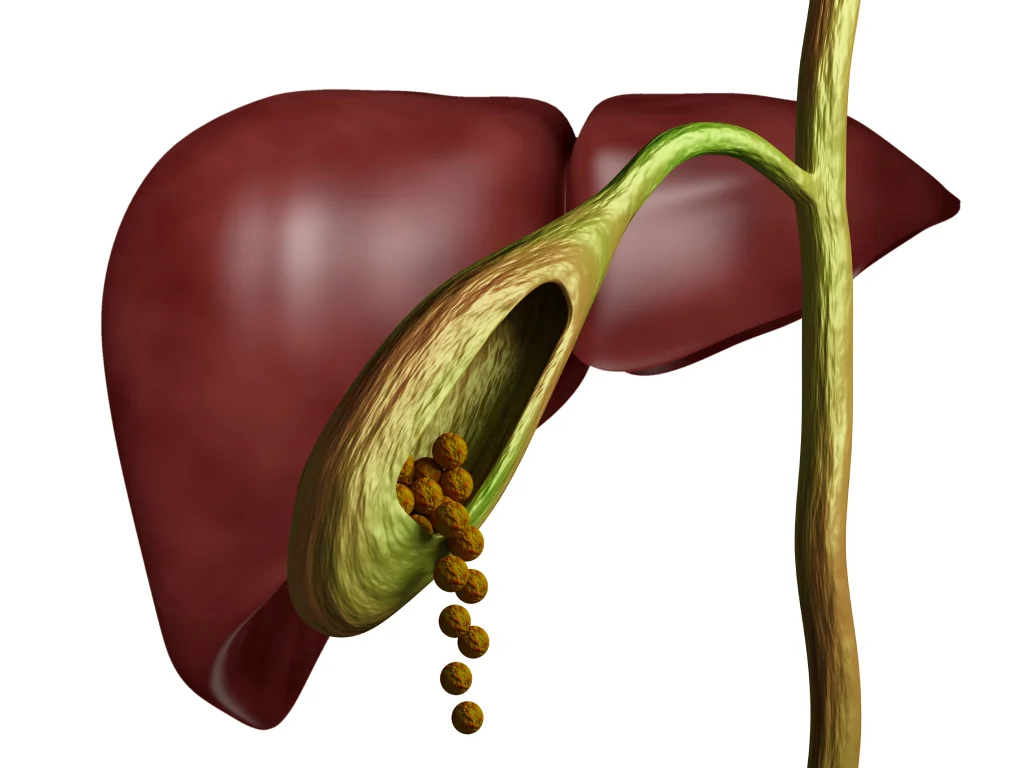
Gallbladder surgery is a procedure performed to remove the gallbladder, most commonly to treat gallstones that cause symptoms or complications. The operation is known as a cholecystectomy and is one of the most commonly performed abdominal surgeries.
The gallbladder is not an essential organ. After gallbladder removal, most people are able to return to normal daily activities and digestion over time, with little or no long-term impact.
Conditions Treated with Gallbladder Surgery
Gallbladder surgery is mainly performed to treat gallstone-related conditions, including:
- Symptomatic gallstones
- Gallbladder inflammation (cholecystitis)
- Complications arising from gallstone disease
Surgical treatment aims to remove the source of the problem, helping to prevent recurrence and reduce the risk of further complications.
Laparoscopic Cholecystectomy (Keyhole Surgery)
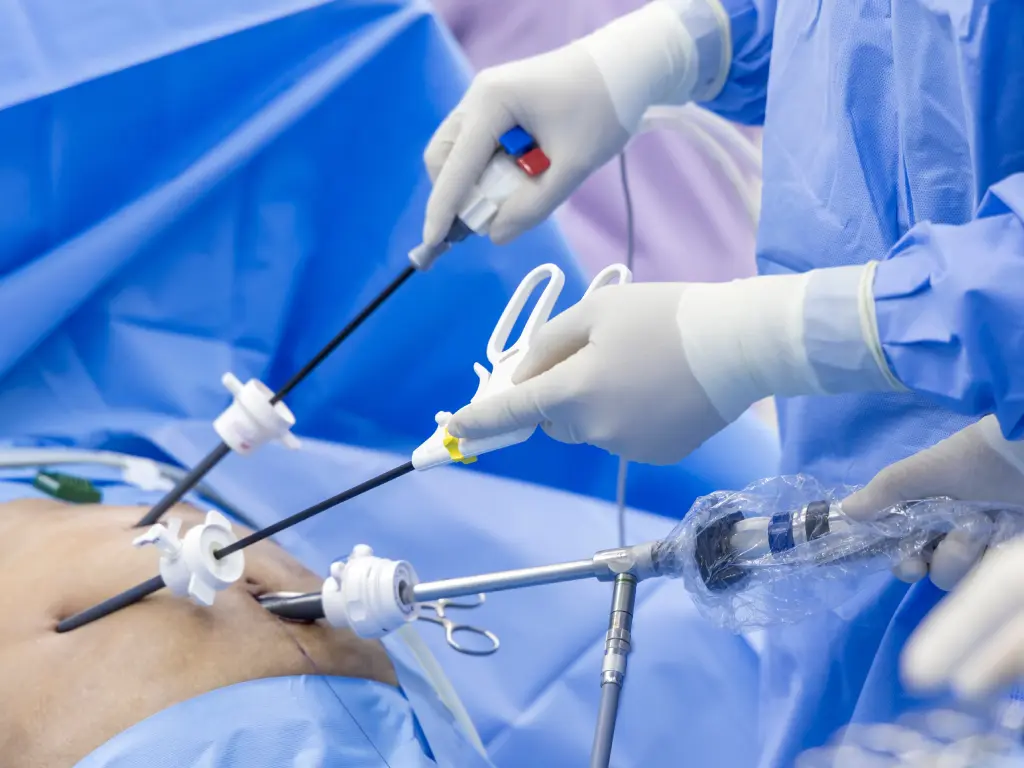
Laparoscopic cholecystectomy is the most common approach to gallbladder surgery. Also known as keyhole surgery, it involves making several small incisions through which a camera and specialised instruments are inserted.
Compared to open surgery, this minimally invasive approach offers several benefits, including:
- Smaller scars
- Less postoperative pain
- Shorter hospital stays
- Faster recovery, most patients can return home within 1-2 days
Gallbladder Removal and Surgical Outcomes
Gallstones form inside the gallbladder, so treatment involves removing the gallbladder rather than the stones alone. This helps prevent future gallstone formation and usually resolves symptoms.
Gallbladder surgery has a high success rate, and most patients experience significant improvement in symptoms after recovery.
Possible Side Effects
Side effects after gallbladder surgery are usually mild and temporary. Some patients may experience:
- Temporary changes in digestion
- Bloating or loose stools
- Mild abdominal discomfort
Your surgeon will explain what to expect after surgery and how to manage symptoms during recovery.
Diet and Lifestyle
After gallbladder removal surgery, most patients can return to a normal diet gradually. However, certain dietary adjustments may help reduce digestive discomfort, especially in the early recovery period.
Patients are often advised to limit:
- Very fatty or greasy foods
- Fried foods
- Large, heavy meals
Your doctor will provide personalised dietary advice based on your recovery and tolerance.
When Is Gallbladder Surgery Recommended?
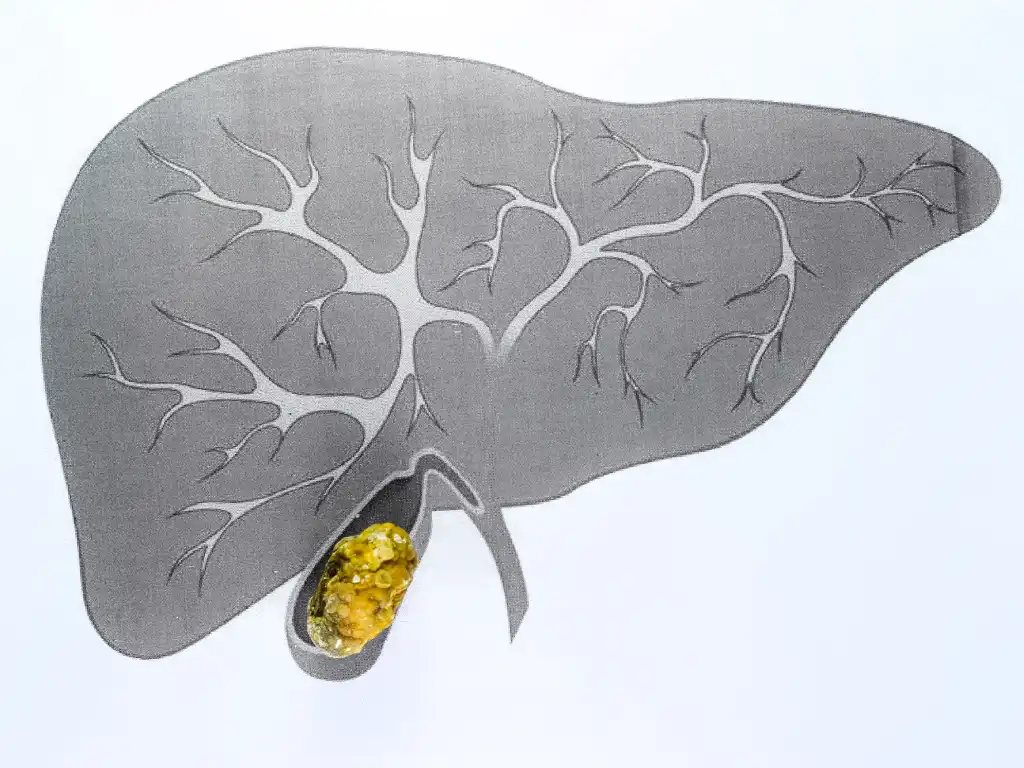
Gallbladder surgery is recommended when gallstones cause ongoing symptoms or lead to medical complications. These may include:
- Recurrent abdominal pain related to gallstones
- Gallbladder stone symptoms such as nausea, bloating, or vomiting
- Inflammation or infection of the gallbladder
- Blockage of bile ducts caused by gallstone
Surgery provides definitive treatment when gallbladder stones treatment through medication or observation is no longer appropriate.
Book an AppointmentFrequently Asked Questions
Yes. Gallbladder surgery is a commonly performed procedure and is generally safe when carried out by an experienced surgeon. As with any surgery, there are some risks, but these are uncommon. Your doctor will explain what to expect and address any concerns before the procedure.
Laparoscopic gallbladder surgery usually takes about 1–2 hours, depending on complexity.
Most patients do not require long term medication after gallbladder removal. Any short term medication needed during recovery will be advised by your doctor.
No. Gallstones do not recur once the gallbladder is removed, as gallstones form within the gallbladder. Maintaining a healthy diet can help support digestion after surgery.
Most people are able to live normally without a gallbladder. Some may experience temporary digestive changes, which usually improve as the body adjusts over time.
Available at

TEN Surgery Group (Gleneagles)


TEN Surgery Group (Mount Elizabeth Novena)

TEN Surgery Group (Mount Elizabeth)