What is an Anal Abscess?
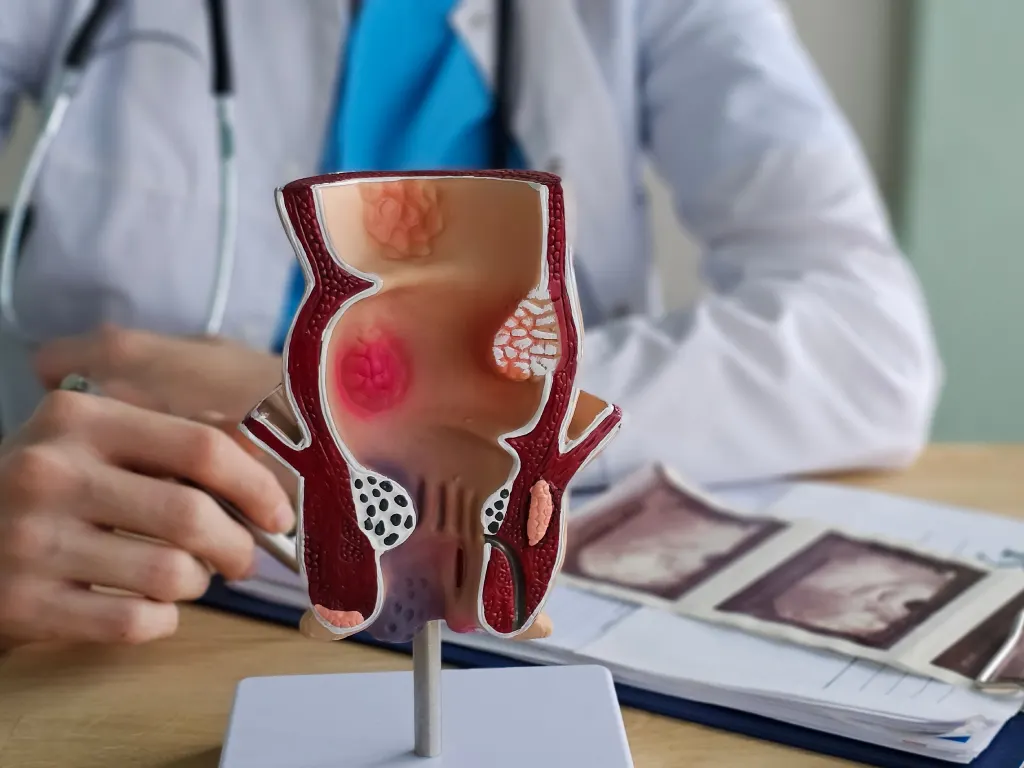
An anal abscess is a pocket of pus that forms near the anus when one of the small glands in the area becomes infected. It can cause pain, swelling, and discomfort when sitting or passing stool.
There are two main types of anal abscesses:
- Perianal abscess: Forms just under the skin near the anus and appears as a painful lump.
- Ischiorectal abscess: Develops deep to the skin in the fat tissue around the rectum and may cause more severe pain or high fever.
Early treatment helps relieve symptoms and prevent the infection from spreading or returning.
How an Anal Abscess Develops
An anal abscess develops when bacteria enter and infect a small gland near the anus, causing a build-up of pus. As the infection spreads, swelling and pressure increase, leading to pain, redness, and tenderness around the affected area.
If left untreated, the abscess may continue to grow and spread deeper into surrounding tissue. In some cases, this can lead to the formation of an anal fistula, a small tunnel connecting the infected gland to the skin surface.

Signs and Symptoms
Symptoms often appear suddenly and may worsen quickly.
Common symptoms include:
- Pain or throbbing around the anus
- Redness, warmth, or swelling near the anal area
- A tender lump near the anus (in a perianal abscess)
- Fever or chills
- Difficulty sitting or passing stool
If a perianal abscess bursts on its own, you may notice a sudden discharge of pus and temporary pain relief. However, this does not mean it has healed as the cavity is still present. Proper medical treatment is still needed to clear the infection completely.
Causes and Risk Factors
An anal abscess occurs when infection blocks the glands around the anus. The blockage results in bacteria within the gland multiplying, forming pus beneath the skin.
Factors that may increase the risk include:
- Blocked anal glands
- Chronic constipation or diarrhoea
- Skin infections or cuts near the anus
- Inflammatory bowel disease (such as Crohn’s disease)
- Anal or low rectal tumors or cancers
- Diabetes or low immunity
- previous anal abscess surgery (Recurrence)
- Presence of an anal fistula
Managing Anal Abscess
Early treatment helps relieve pain, clear infection, and prevent fistula formation. The type of treatment depends on the abscess size and severity.
Treatment Options
Most anal abscesses require medical attention. While antibiotics may be prescribed for mild infections, most cases need a small procedure to remove the pus and allow healing.
Common treatment options include:
- Incision and drainage: A quick procedure performed under local or general anaesthesia to release pus and relieve pressure.
- Antibiotics: May be given after drainage to clear remaining infection.
- Fistula management: If a fistula is found, a drain or seton may be inserted during the initial surgery and further surgery may be needed to remove the fistula to prevent reinfection.
Most patients recover within one to two weeks after anal abscess removal / surgery, with follow-up visits to ensure proper healing.
Prevention
While not all cases can be prevented, maintaining good hygiene and healthy bowel habits can help reduce the risk of developing an anal abscess:
- Keep the anal area clean and dry
- Eat a high-fibre diet and drink plenty of water
- Avoid straining during bowel movements
- Exercise regularly
- Manage chronic conditions such as diabetes
Pay attention to early signs of pain or swelling near the anus and seek medical care promptly to prevent complications.
When to See a Doctor

Seek medical care promptly if you experience:
- Severe or increasing anal pain
- Swelling or redness around the anus
- Fever, chills, or general fatigue
- Persistent discharge or recurrent infection after a perianal abscess burst
- Difficulty sitting or passing stool
Early diagnosis and prompt treatment help prevent the infection from spreading and support faster recovery.
Book an AppointmentFrequently Asked Questions
Yes. A perianal abscess can sometimes burst spontaneously, releasing pus and easing pain. However, this does not mean it has healed completely. Medical evaluation and possible anal abscess surgery may still be needed to clear the infection.
Most cases require drainage or minor anal abscess surgery to remove the pus and promote healing. The procedure is quick, typically performed as day surgery in Singapore, and antibiotics may be prescribed to clear any remaining infection.
Recovery depends on how large the abscess is and the severity of the infection. Pain and swelling improve gradually, and proper wound care helps ensure full healing. Follow-up with your doctor is important to monitor recovery.
Recurrence can occur if the infection is not fully cleared or if a fistula is present. Regular check-ups and good hygiene help reduce the risk.
You should consult a colorectal specialist or surgeon that performs anal abscess surgery. They can assess your condition and recommend the most suitable treatment based on its severity.
Available at

TEN Surgery Group (Gleneagles)


TEN Surgery Group (Mount Elizabeth Novena)

TEN Surgery Group (Mount Elizabeth)