What are Gallstones?
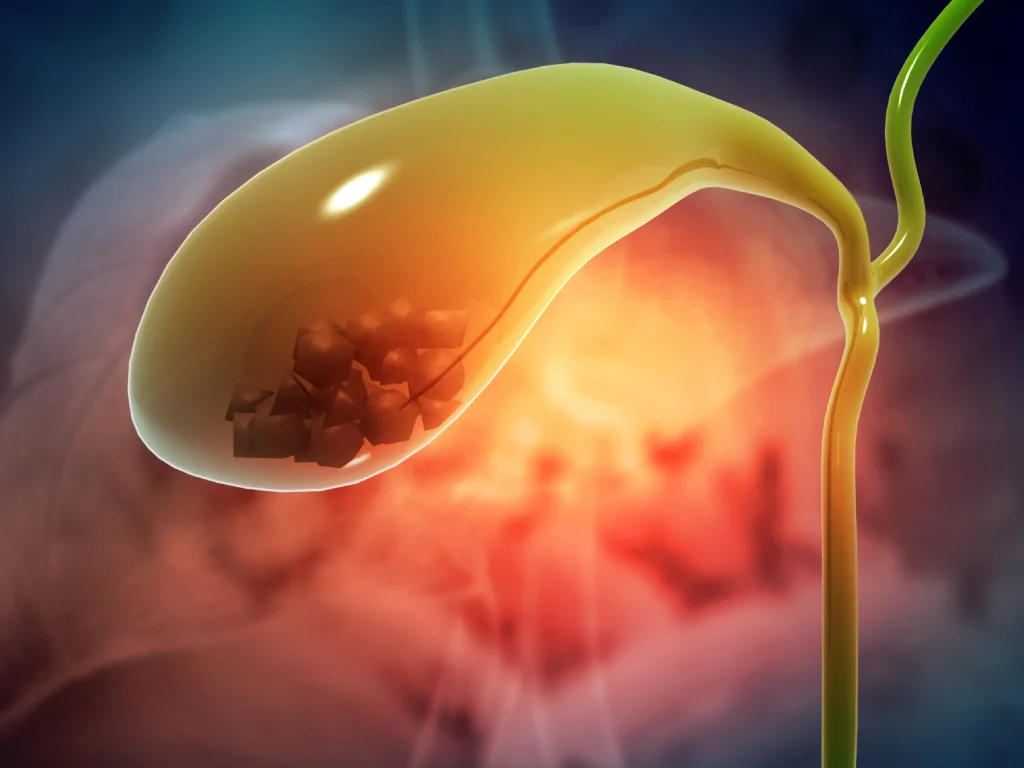
Gallstones are small, hardened lumps that form in the gallbladder, a small organ under the liver that stores bile. Bile is a digestive fluid that helps the body digest fat. When the substances in bile are out of balance, gallstones can form.
Gallstones are common and often cause no symptoms. However, if a gallstone obstructs part of the bile duct, it can cause severe pain and other health problems. Early assessment helps determine whether treatment or gallbladder and gallstone removal is needed.
How Gallstones Develop?
Gallstones develop when bile contains too much cholesterol or bilirubin, or when the gallbladder does not empty fully. Over time, these substances can crystallise and gradually form stones.
Problems arise when a gallstone moves out of the gallbladder and blocks the duct, triggering gallstone pain and inflammation of the gallbladder. Other locations of obstruction can be in the main bile duct causing jaundice (yellowing of the skin) or in the pancreatic duct causing pancreatitis (inflammation of the pancreas).

Signs and Symptoms
Symptoms can range from mild discomfort to severe pain, which include:
- Sudden pain in the upper right or centre of the abdomen (gallstone pain)
- Pain that may spread to the back or right shoulder
- Nausea or vomiting
- Bloating or indigestion after fatty meals
- Fever or chills if infection develops
Gallstones symptoms in females may be more common due to hormonal factors, pregnancy, or weight changes.
Causes and Risk Factors
Understanding what causes gallstones helps identify who may be at higher risk. Common causes and risk factors include:
- Excess cholesterol in bile
- Incomplete emptying of the gallbladder
- Female gender
- Pregnancy or hormonal changes
- Obesity or rapid weight loss
- Increasing age
- Family history of gallstones
Managing Gallstones
Management depends on whether gallstones are causing symptoms or complications. Asymptomatic gallstones may only require monitoring, while symptomatic cases usually need treatment.
Treatment Options
Gallstones treatment aims to relieve pain and prevent recurrence or complications. Common treatment options include:
- Pain control and supportive care during mild attacks
- Gallstone removal: Recommended when gallstones cause repeated pain or complications
- Gallstone surgery: Removal of the gallbladder (cholecystectomy) is the most effective treatment
- Keyhole surgery for gallstones: Minimally invasive laparoscopic surgery that allows faster recovery and smaller scars
Gallstones treatment in Singapore is commonly performed as planned surgery, with many patients discharged within a short hospital stay.
Prevention
While not all gallstones can be prevented, the risk can be reduced:
- Maintain a healthy body weight
- Avoid rapid weight loss or extreme dieting
- Eat a balanced diet low in saturated fats
- Exercise regularly
- Manage underlying medical conditions
When to See a Doctor
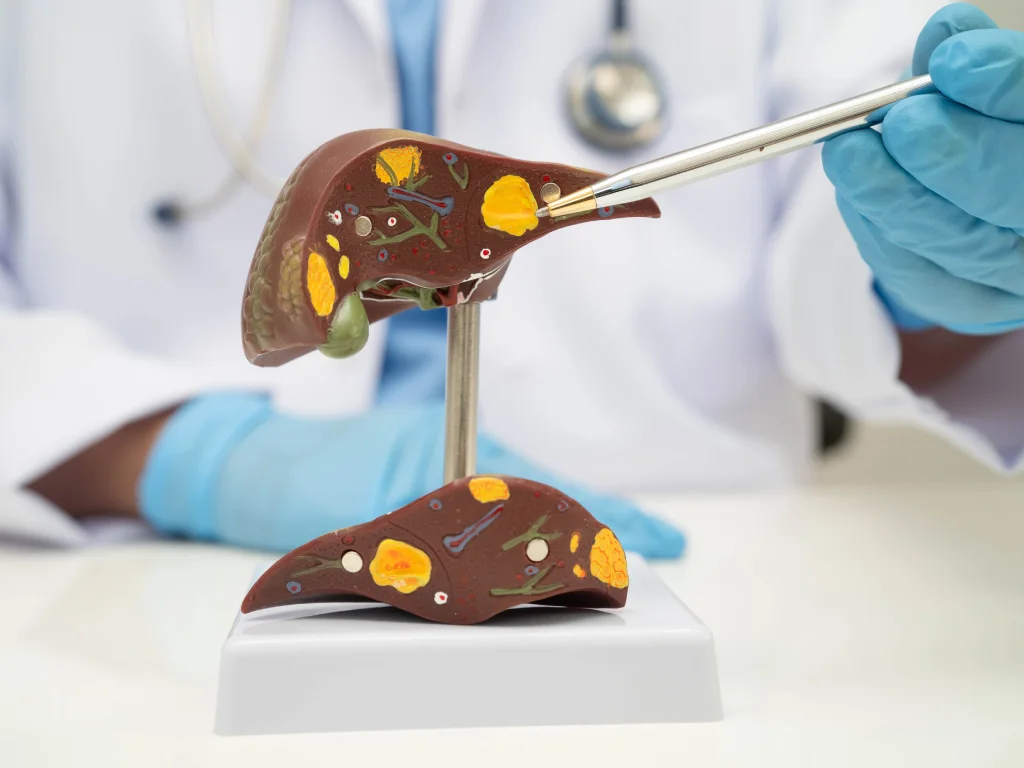
You should seek medical attention if you experience:
- Recurrent or severe gallstone pain
- Pain lasting more than a few hours
- Fever with abdominal pain
- Yellowing of the skin or eyes (jaundice)
- Persistent nausea or vomiting
Early consultation helps determine if gallstone surgery is needed and reduces the risk of complications.
Make an ApoointmentFrequently Asked Questions
Many people have gallstones without symptoms. When they occur, common signs include upper abdominal pain, nausea, and discomfort after fatty meals. Seek medical care if you have severe pain, jaundice, or fever.
Gallstone surgery is a common and generally safe procedure. Keyhole surgery allows faster recovery, and most patients return to normal activities within a short time.
Some small cholesterol stones can be treated with medication, but this is uncommon and less effective. Surgery, usually keyhole (laparoscopic) gallbladder removal, is the standard and most reliable treatment.
Many gallstones cause no problems, but untreated stones can block bile ducts, cause inflammation, or lead to infections. Early assessment helps prevent serious complications.
While not all gallstones can be prevented, maintaining a healthy diet, avoiding rapid weight loss, and regular exercise help reduce the risk.
Available at

TEN Surgery Group (Gleneagles)


TEN Surgery Group (Mount Elizabeth Novena)

TEN Surgery Group (Mount Elizabeth)