What is an Anal Fistula?

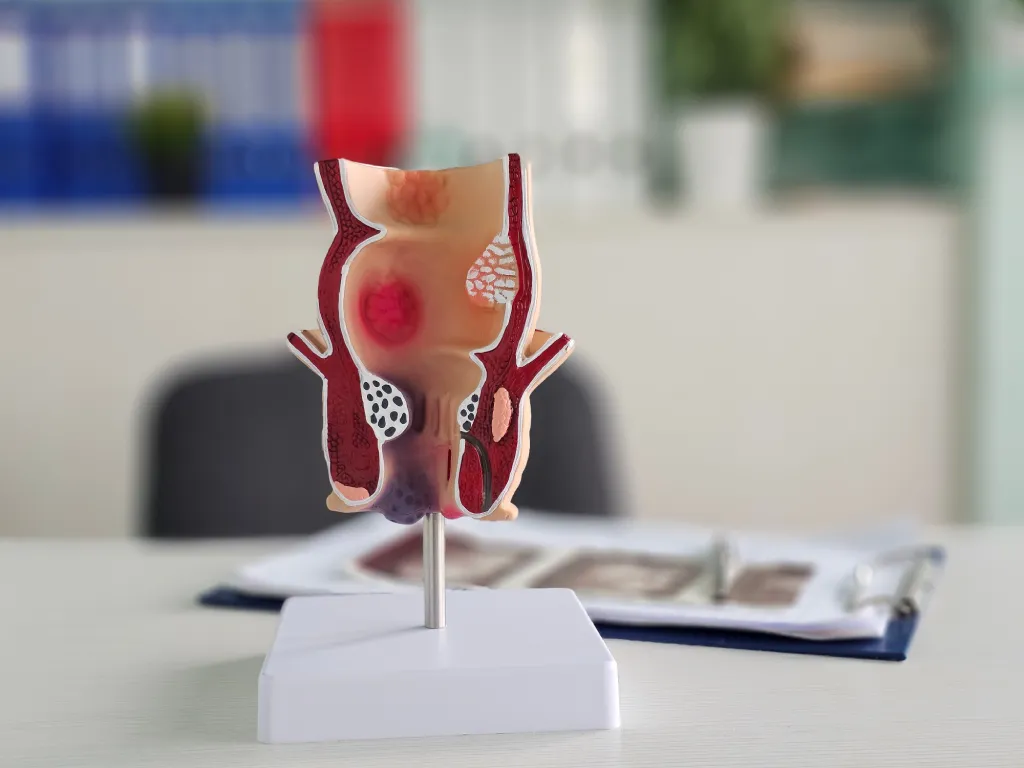
An anal fistula is a small tunnel that forms under the skin near the anus. It connects an infected gland inside the anus to an opening on the skin. This happens when an infection, often from a previous anal abscess, does not heal completely.
The condition can cause pain, discharge, and irritation around the anus. There are different types of anal fistulas, depending on how deep the tunnel runs. Your specialist will assess its location and depth before recommending treatment.
How an Anal Fistula Develops
An anal fistula often develops after an anal abscess has formed. When an abscess drains, either on its own or with treatment, a small tunnel may remain under the skin between the inside of the anus and the outer opening.
This tunnel does not heal properly and can trap bacteria, leading to repeated infection or discharge. Some people may develop more than one tunnel, especially if the infection keeps returning or if they have bowel conditions such as Crohn’s disease.
Over time, the area can become painful and swollen again, which is why early medical care is important to treat the infection fully and prevent further problems.

Signs and Symptoms
An anal fistula can cause persistent irritation and discharge around the anus. Common symptoms include:
- Recurrent pain, swelling, or tenderness near the anus
- Persistent discharge of pus or blood
- A small opening or hole near the anus
- Skin irritation or itching
- Fever or general discomfort during flare-ups
- History of a previous anal abscess that has drained but not healed fully
Understanding these signs can help you recognise when something feels wrong and know when to see a doctor.
Causes and Risk Factors
An anal fistula usually develops after an anal abscess that has not healed completely.
Certain factors can make a person more likely to develop a fistula or have it recurred:
- Previous anal abscess or infection
- Inflammatory bowel disease such as Crohn’s disease
- Chronic diarrhoea or constipation
- Diabetes or a weakened immune system
- Previous anal surgery or injury
Managing Anal Fistula
An anal fistula rarely heals without treatment. Early evaluation and proper management are important to prevent recurring infection and protect anal muscle control.
Treatment Options
The choice of treatment depends on the type, depth, and position of the fistula. Most treatments aim to remove the tunnel and help it heal safely.
Common treatment options include:
- Fistulotomy or fistulectomy: The most common procedure, where the tunnel is opened and cleaned or excised to allow it to heal from the inside out.
- Seton placement: A thin surgical thread placed through the tract to help drain infection before surgery.
- Anal fistula laser treatment: A minimally invasive option that uses laser energy to seal the tunnel with minimal discomfort.
- Advancement flap or LIFT procedure: Used for deeper or complex fistulas to close the internal opening while maintaining normal bowel function.
These procedures are typically performed as day surgery in Singapore. Recovery time varies based on the type of fistula and the procedure chosen.
Prevention
While not all cases can be prevented, these steps can help lower the risk of developing or worsening an anal fistula:
- Seek prompt treatment for any anal pain or abscess
- Maintain good anal hygiene
- Eat a balanced, high-fibre diet to prevent constipation
- Stay well-hydrated and exercise regularly
- Manage chronic conditions such as diabetes or inflammatory bowel disease
When to See a Doctor
You should see a colorectal specialist if you experience:
- Persistent discharge or swelling near the anus
- Pain that recurs after an abscess has drained
- Bleeding or pus that stains your clothes
- Fever or fatigue with anal discomfort
- Symptoms that do not improve with medication
Early consultation allows your doctor to confirm the diagnosis and recommend the most effective treatment options.
Book an AppointmentFrequently Asked Questions
An anal fistula will not heal on its own. If left untreated, it can cause repeated infections or abscess formation. Over time, the tunnel may become larger or more complex, requiring treatment options such as a surgery. Early treatment helps prevent pain, infection, and scarring.
Modern anal fistula surgery in Singapore is performed under anaesthesia to ensure comfort. Most patients can go home the same day after operation. Mild discomfort and drainage are normal for a few days, and recovery usually takes one to two weeks, depending on the fistula type and treatment method.
Yes, recurrence can occur, especially if the original infection was deep or complex. Following your doctor’s aftercare instructions, keeping the area clean, and managing bowel habits can lower the chance of recurrence. Regular follow-up with your doctor helps detect any early signs of reinfection.
The cost of treatment or surgery varies based on the complexity of the fistula and the procedure used. Minor day-surgery procedures generally cost less than inpatient operations. Fees may range from a few hundred to several thousand dollars, depending on the hospital, insurance coverage, and MediSave eligibility. It is best to consult your doctor for an exact estimate.
You should consult a colorectal specialist or an anal fistula surgeon in Singapore. These doctors specialise in diagnosing and treating fistula perianal conditions safely and effectively. Treatment is usually done in outpatient clinics or day surgery centres, offering both convenience and privacy.
Available at

TEN Surgery Group (Gleneagles)

TEN Surgery Group (Mount Elizabeth Novena)

TEN Surgery Group (Mount Elizabeth)