What is Skin Cancer?
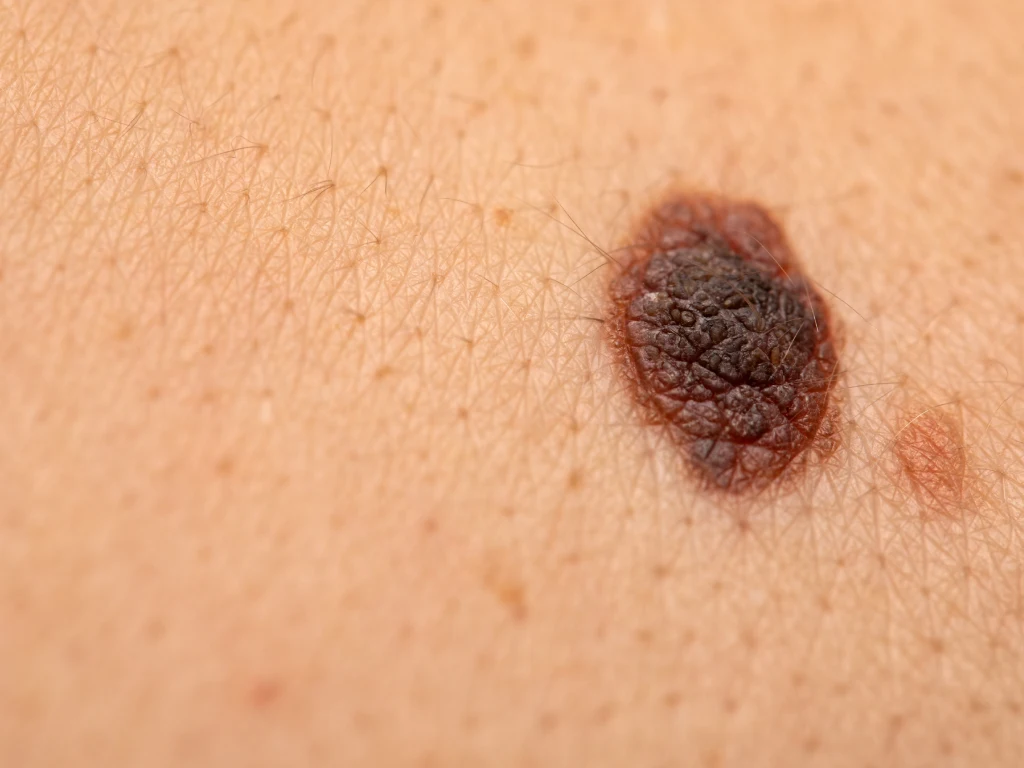
Skin cancer develops when skin cells undergo abnormal changes that cause them to multiply and grow uncontrollably. These abnormal cells can form as growths or lesions on the skin.
There are several types of skin cancer. The three main types are:
- Basal cell carcinoma (BCC): The most common type of skin cancer. It usually grows slowly and is less likely to spread to other parts of the body, but it can damage the surrounding tissue if left untreated.
- Squamous cell carcinoma (SCC): A cancer that develops from squamous cells in the outer layer of the skin. It can grow more quickly than basal cell carcinoma and, in some cases, spread to other parts of the body.
- Melanoma: A less common but more aggressive type of skin cancer that develops from melanocytes, the cells responsible for producing skin pigment. Melanoma can spread if it is not detected and treated early.
What Are the Symptoms of Skin Cancer?
Skin cancer can look different from person to person. It may develop on normal-looking skin or within an existing mole.
Common signs and symptoms of skin cancer include:
- A new growth, lump or patch on the skin
- A mole that changes in size, shape or colour
- A mole with an irregular or uneven border
- A spot with multiple colours or unusual pigmentation
- A sore or wound that does not heal
- A sore that repeatedly heals and comes back
- Skin that bleeds, crusts or becomes scaly without an obvious cause
- A persistent itchy, painful or tender area of skin
- A growth that continues to increase in size
Changes in a Mole? Remember ABCDE
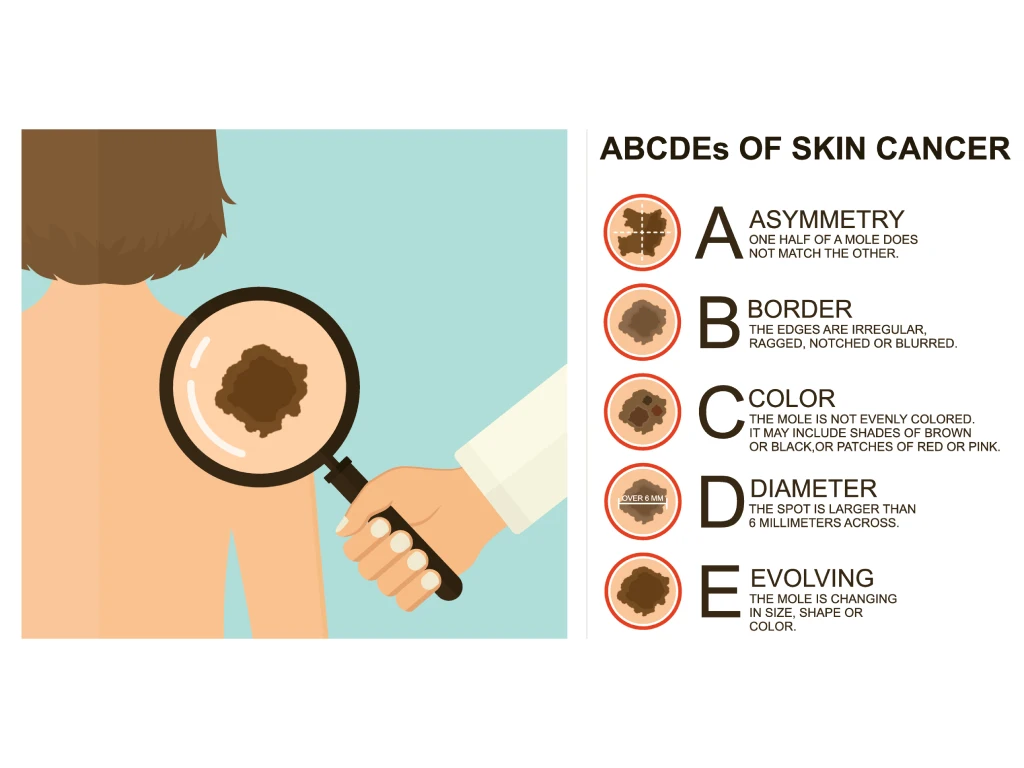
For melanoma, the ABCDE approach can help you recognise potentially concerning changes:
A – Asymmetry
One half of the mole looks different from the other half.
B – Border
The edges are irregular, uneven, blurred or poorly defined.
C – Colour
The mole contains different colours or has changed in colour.
D – Diameter
The spot is larger than approximately 6 mm, although melanomas can be smaller.
E – Evolving
The mole or skin lesion changes over time in size, shape, colour or appearance.
Not every unusual-looking mole is cancerous. However, a new or changing skin lesion should be assessed by a doctor, particularly if it persists or continues to change.
What Causes Skin Cancer?
Skin cancer occurs when changes develop in the DNA of skin cells, causing them to grow and divide abnormally.
Exposure to ultraviolet (UV) radiation from sunlight is one of the most important risk factors. Repeated or intense UV exposure can damage skin cells over time.
Other factors that may increase the risk of skin cancer include:
- Having fair skin or skin that burns easily
- A history of frequent sun exposure or sunburn
- Regular use of tanning beds or artificial UV sources
- Having many moles or unusual-looking moles
- A personal or family history of skin cancer
- Ageing
- A weakened immune system
- Previous radiation treatment or certain types of chemical exposure
However, skin cancer can affect people of all skin tones and may develop even without obvious risk factors.
Who Is at Risk of Skin Cancer?
Anyone can develop skin cancer. Your risk may be higher if you spend a significant amount of time outdoors or have had substantial UV exposure throughout your life.
People who work or participate regularly in outdoor activities may have greater cumulative exposure to sunlight. Previous sunburns, particularly repeated sunburns, can also increase the risk of developing skin cancer.
It is important to remember that having darker skin does not eliminate the risk. Skin cancer can occur in people with all skin types and may sometimes be diagnosed later because changes are less noticeable.
How Is Skin Cancer Diagnosed?
If you have a suspicious or changing area of skin, a doctor will usually begin by examining the lesion and asking about when it first appeared and whether it has changed.
Further assessment may include:
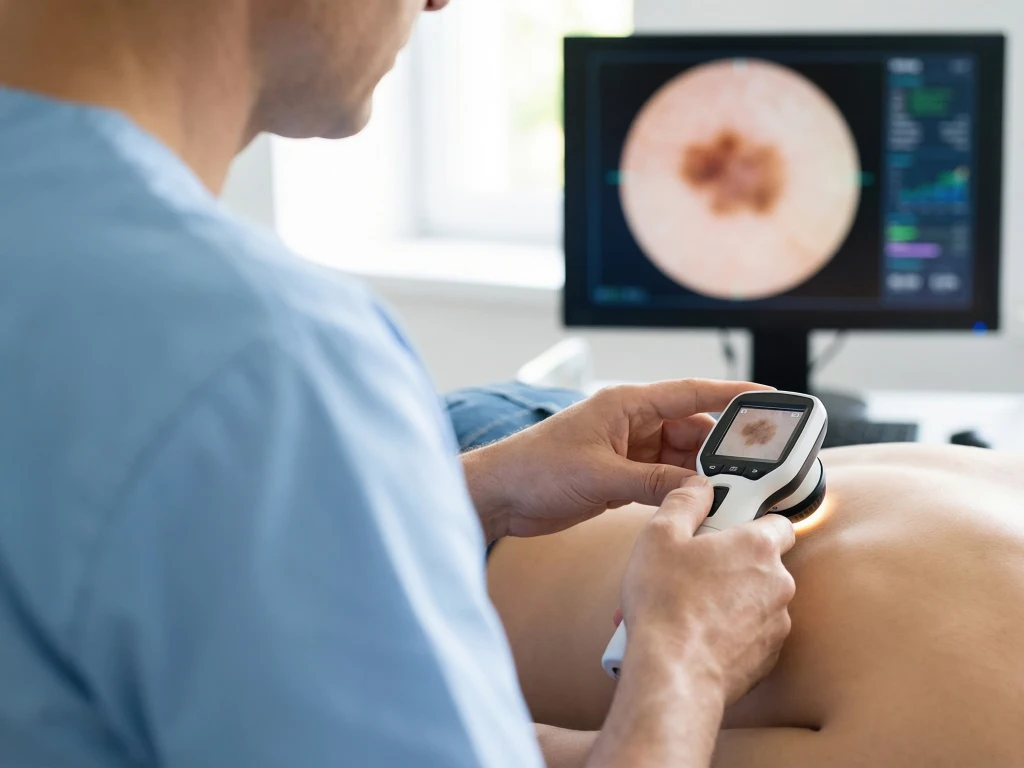
Skin Examination
The doctor examines the skin lesion closely, often using a dermatoscope, which provides a magnified view of structures beneath the skin's surface.
Biopsy
If skin cancer is suspected, a small sample of tissue may be removed and sent to a laboratory for examination under a microscope. A biopsy is often needed to confirm whether a lesion is cancerous and, if so, what type it is.
Further Tests
If a melanoma or another skin cancer is suspected to have spread, additional investigations such as imaging scans (PET-CT scan) and selected blood tests (for example, liver function tests or lactate dehydrogenase [LDH], where appropriate) may be recommended depending on the individual situation.
How Is Skin Cancer Treated?
Treatment depends on the type, size, location and stage of the skin cancer, as well as your overall health.
Treatment options may include:
- Surgical removal: The cancerous tissue is removed, along with a margin of surrounding skin where appropriate.
- Mohs surgery: A specialised surgical technique that removes cancerous tissue layer by layer while preserving as much healthy skin as possible. It may be recommended for certain skin cancers, such as basal cell carcinoma (BCC) and squamous cell carcinoma (SCC), especially in areas where preserving healthy tissue is important.
- Cryotherapy: Certain early or superficial skin lesions may be treated by freezing abnormal cells.
- Topical treatments: Prescription creams may be used for selected superficial skin cancers or precancerous lesions.
- Radiotherapy: Radiation may be used in selected cases, particularly when surgery is not suitable or when additional treatment is required.
- Systemic treatments: Advanced skin cancers, including some melanomas, may require treatments such as immunotherapy or targeted therapy.
Your doctor will recommend treatment based on the specific type and characteristics of the skin cancer.
Can Skin Cancer Be Prevented?

Not all cases of skin cancer can be prevented, but reducing UV exposure can lower your risk.
Here are some useful tips to prevent skin cancer:
- Apply broad-spectrum sunscreen with an appropriate SPF (sun protection factor) and reapply as recommended.
- Seek shade, especially when the sun is strongest.
- Wear protective clothing, a wide-brimmed hat, and sunglasses outdoors.
- Avoid tanning beds and other artificial sources of UV radiation.
- Avoid spending extended periods in direct sunlight, especially during peak UV hours.
- Check your skin regularly for new or changing spots.
A new skin growth does not necessarily signal skin cancer. However, it is worth having a skin change assessed if you notice something that is new, changing, persistent, or unusual for you.
Early assessment can help determine whether the change is harmless, pre-cancerous or requires further investigation.
Book an AppointmentFrequently Asked Questions
UV radiation is an important risk factor, but it is not the only one. Genetics, immune system factors, and previous radiation exposure are other factors that can also contribute to skin cancer.
Yes. Skin cancer can affect people of all skin tones. Although some types may be less common in people with darker skin, they can still occur and may develop in areas that receive little sun exposure.
No. Many unusual-looking moles and skin growths are benign. However, a mole that is new, changing or noticeably different from your other moles should be assessed by a doctor.
Many skin cancers can be successfully treated, particularly when they are detected early. Treatment and prognosis depend on the type, stage, location and other individual factors.
A GP can assess a new or changing skin lesion and refer you to the appropriate specialist if needed. For skin tumours requiring surgical assessment or treatment, you may see Dr Natascha Putri at TEN Surgery.
Dr Natascha Putri is a General Surgeon with subspecialty expertise in the treatment of conditions affecting the head and neck region, including thyroid disorders, salivary gland diseases, skin tumours, and cancers of the nose, mouth, and throat.