What is Gastroesophageal Reflux Disease (GERD)?
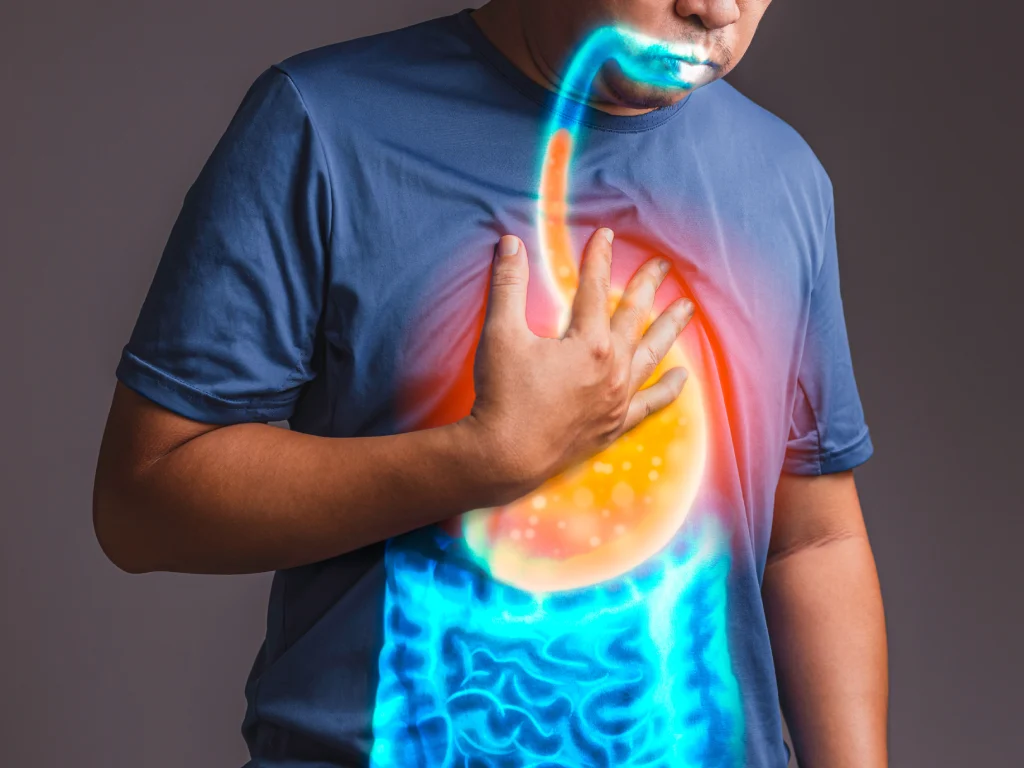
Gastroesophageal reflux disease, commonly known as GERD, is a chronic digestive condition where stomach acid flows back into the oesophagus (food pipe). This backflow, known as acid reflux, can irritate the oesophageal lining and cause ongoing discomfort.
Gastroesophageal reflux disease or GERD is common in Singapore and may affect daily activities, sleep, and overall quality of life.
How GERD Develops
GERD develops when the lower oesophageal sphincter (LES), a ring of muscle between the oesophagus and stomach, becomes weak or relaxes inappropriately. When this happens, stomach acid can move upward into the oesophagus.
Common triggers include increased pressure within the abdomen, delayed stomach emptying, or repeated exposure to foods that relax the LES.
Signs and Symptoms
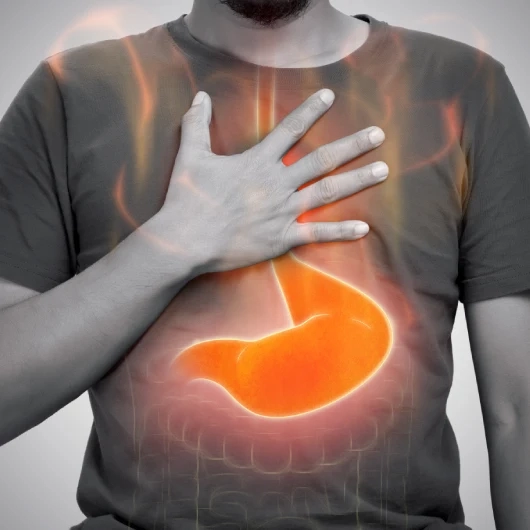
GERD symptoms can vary in severity and frequency. Common symptoms include:
- Heartburn or burning sensation in the chest
- Acid regurgitation or sour taste in the mouth
- Chest discomfort after meals
- Difficulty swallowing
- Chronic cough or throat irritation
If symptoms persist, untreated GERD may lead to inflammation or narrowing of the oesophagus.
Causes and Risk Factors
Several factors can increase the risk of developing GERD or trigger acid reflux.
- Weak or relaxed LES
- Obesity or weight gain
- Pregnancy
- Large or late meals
- Fatty, spicy, or acidic foods
- Smoking
- Excessive alcohol intake
- Certain medications that relax the LES or irritate the oesophagus
Managing GERD
GERD management focuses on relieving symptoms, healing oesophageal irritation, and preventing recurrence. Most patients respond well to lifestyle changes and medical treatment, while surgery is reserved for selected cases.
Treatment Options
GERD treatment is typically step-based and tailored to symptom severity and response to therapy.

Common treatment options include:
- Lifestyle modifications: Weight management, smaller meals, and avoiding trigger foods
- Medications: Acid-suppressing or acid-reducing medicines to relieve symptoms and promote healing
- Dietary changes: Avoiding late-night eating and reflux-triggering foods
- Monitoring and follow-up: For persistent or recurrent symptoms
- Surgery: Considered for patients with severe GERD who do not respond to medication or prefer long-term solutions
Prevention
GERD symptoms can often be reduced with lifestyle measures:
- Maintain a healthy body weight
- Avoid lying down immediately after meals
- Elevate the head during sleep if night-time symptoms occur
- Reduce intake of trigger foods and beverages
- Stop smoking
When to See a Doctor
You should seek medical advice if you experience:
- Frequent or severe heartburn
- Difficulty swallowing
- Persistent chest discomfort
- Symptoms not improving with over-the-counter medication
- Unexplained weight loss or vomiting
Early consultation helps determine appropriate GERD treatment and reduces the risk of complications.
Book an AppointmentFrequently Asked Questions
Acid reflux refers to occasional backflow of stomach acid, while gastroesophageal reflux disease is a chronic condition with frequent or persistent symptoms.
Treatment includes lifestyle changes, medications, and in selected cases, surgery. A specialist can recommend the most suitable gastroesophageal reflux disease treatment based on symptom severity.
GERD is often a long-term condition, but symptoms can usually be well controlled with appropriate treatment. Many people are able to get rid of troublesome GERD symptoms through lifestyle changes, medications, and regular follow-up. In selected cases, surgery may offer long-term symptom relief when medical treatment is not effective.
You may consult a gastrointestinal specialist or surgeon in Singapore for evaluation, investigations, and long-term management of GERD.
Available at

TEN Surgery Group (Gleneagles)

TEN Surgery Group (Mount Elizabeth Novena)
TEN Surgery Group (Mount Elizabeth)