What is Irritable Bowel Syndrome (IBS)?
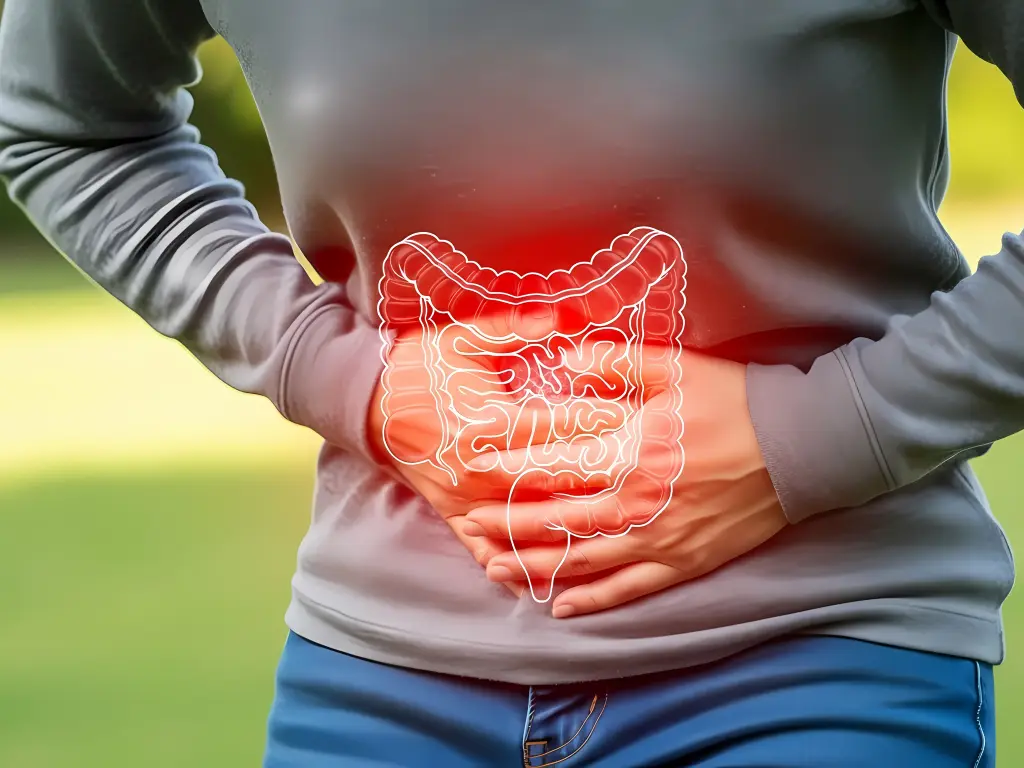
Irritable bowel syndrome (IBS) is a common digestive disorder that affects how the intestines function. Unlike inflammatory bowel disease (IBD), IBS doesn’t cause inflammation or damage to the bowel.
IBS is characterised by recurring digestive symptoms, which can significantly impact daily life. While it's a long-term condition, IBS can often be managed with the right treatment and lifestyle changes.
How Common Is IBS?
IBS is one of the most common digestive conditions globally, with many cases seen in clinical practice, including in Singapore. Symptoms often begin in early adulthood and can vary in severity over time.
Types of Irritable Bowel Syndrome
There are three main types of IBS, classified based on bowel habits:
- IBS-D (Diarrhoea-Predominant): Characterised by frequent loose stools and urgency.
- IBS-C (Constipation-Predominant): Involves hard stools, difficulty passing bowel movements, or infrequent bowel movements.
- Mixed IBS: Involves alternating episodes of diarrhoea and constipation.
Identifying the type of IBS helps guide treatment.

Signs and Symptoms
Common symptoms of IBS include:
- Recurrent abdominal pain or discomfort
- Bloating or abdominal distension
- Diarrhoea, constipation, or alternating bowel habits
- Relief after bowel movements
For many patients, symptoms can fluctuate with stress, diet, and lifestyle factors.
Causes and Contributing Factors
The exact cause of IBD is not fully understood, but it is thought to involve several factors, including:
- Visceral hypersensitivity: Over-sensitivity of the intestines
- Altered bowel motility: Changes in how the intestines move
- Gut–brain interaction: The connection between the gut and brain
- Stress and anxiety: Emotional factors that can worsen symptoms
These factors may vary from person to person.
Diagnosing Irritable Bowel Syndrome
IBS is diagnosed based on symptoms and clinical criteria, after ruling out other conditions with similar symptoms. The evaluation focuses on:
- Symptom patterns
- Duration and triggers
- Absence of red flags, such as weight loss or bleeding
Additional tests may be recommended to exclude other gastrointestinal conditions if needed.
Managing Irritable Bowel Syndrome
IBS management is personalised and often involves a combination of dietary, lifestyle, and medical approaches.
Treatment Options
Irritable Bowel Syndrome Treatment may include:
- Medications to manage diarrhoea, constipation, or pain.
- Dietary changes
- Stress and anxiety management strategies
- Gut-directed therapies
Prevention

Dietary adjustments can help reduce the frequency and severity of IBS flare-ups and may prevent symptom exacerbation. Common recommendations include:
- Identifying and avoiding trigger foods that worsen symptoms
- Following a low FODMAP diet under professional supervision
- Adjusting fibre intake: increasing for IBS-C (constipation-predominant) or decreasing for IBS-D (diarrhoea-predominant)
Since responses to food can vary, personalised dietary advice is important to minimise symptoms and prevent flare-ups.
When to See a Doctor
Consult a doctor if you experience:
- Persistent or worsening digestive symptoms
- Symptoms affecting daily activities
- New symptoms such as weight loss or blood in stool
- Difficulty managing IBS or concerns about treatment effectiveness
A medical evaluation can help confirm the diagnosis and guide the most effective treatment plan.
Book an AppointmentFrequently Asked Questions
No. IBS is a functional condition without inflammation or damage to the bowel, whereas IBD involves chronic inflammation of the intestines.
Yes. Stress and anxiety can affect gut function, often worsening IBS symptoms like pain, bloating, and irregular bowel movements.
IBS is a chronic condition, but symptoms can improve with proper management. Some individuals experience long periods of minimal or no symptoms, though flare-ups may occur.
IBS does not cause permanent bowel damage or increase the risk of cancer, but it can significantly impact quality of life if symptoms are not managed.
IBS is best managed by doctors specialising in gastrointestinal conditions. An experienced healthcare provider can offer tailored treatment plans for long-term symptom control.
Available at

TEN Surgery Group (Gleneagles)


TEN Surgery Group (Mount Elizabeth Novena)
TEN Surgery Group (Mount Elizabeth)