Breast Cysts
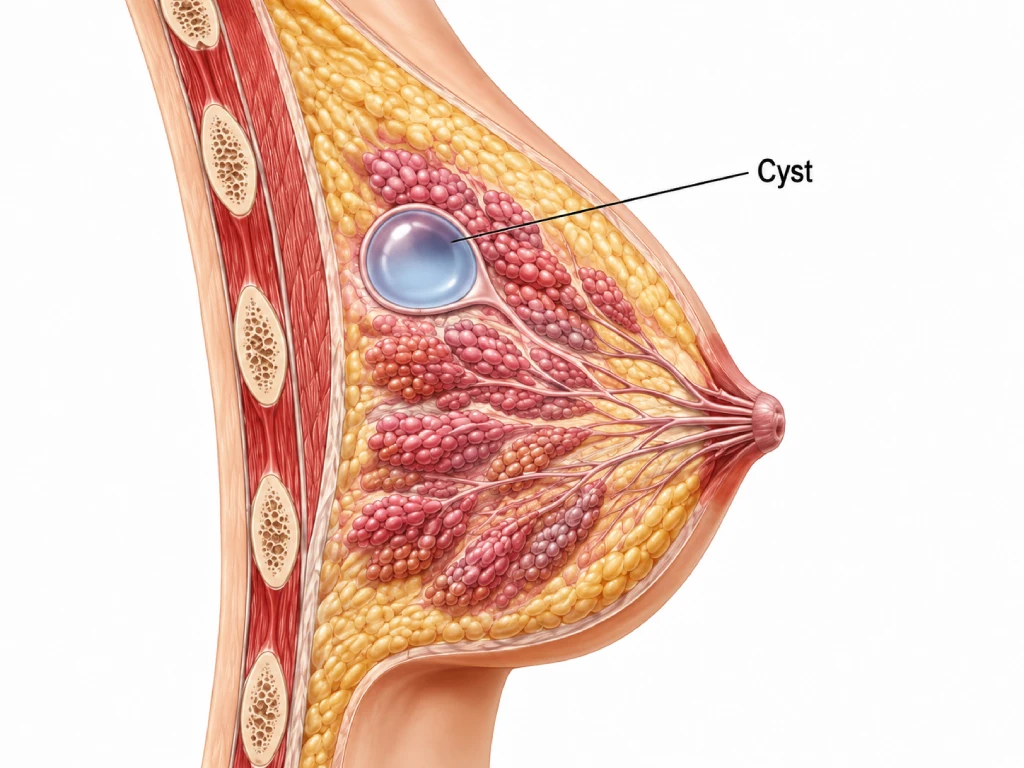
Breast cysts are benign fluid-filled sacs within the breast. They are usually associated with hormonal changes and are most common in women aged 35 to 50 years.
They may fluctuate in size, cause pain or discomfort or, rarely, get infected. Some cysts resolve spontaneously while larger or symptomatic cysts may require drainage using a needle.
What is a breast cyst?
A breast cyst is a benign fluid-filled sac within the breast. Breast cysts are very common and are usually related to effects of hormonal changes on breast tissue.
How do breast cysts develop?
Breast cysts develop when fluid produced within the breast glands accumulate. They may increase or decrease in size over time and can fluctuate with hormonal changes.
Signs and symptoms
Patients may notice:
- A smooth, round breast lump
- Breast tenderness
- A lump that changes in size
- Symptoms that may worsen before menstruation
Some cysts cause no symptoms and are detected on imaging.
Causes and risk factors
Risk factors include:
- Hormonal fluctuations
- Perimenopausal age
- Fibrocystic breast changes
Managing breast cysts
Treatment options
Many cysts require no treatment.
Treatment may include:
- Observation
- Ultrasound-guided aspiration if painful or large
- Further investigation, including biopsy, if imaging features are atypical or uncertain
Prevention
There is no proven way to prevent breast cysts.
When to see a doctor
You should seek medical attention if:
- You discover a new breast lump
- A cyst enlarges
- Symptoms persist
- There are associated breast or nipple changes
Frequently Asked Questions (FAQ)
No. Most breast cysts are benign.
No. Most breast cysts do not need to be removed. Many resolve on their own and only require treatment if they are painful, large or have concerning features on imaging.
Many breast cysts resolve spontaneously or become smaller over time without treatment.
Yes. Some women develop new cysts or recurrent cysts with hormonal fluctuations, particularly if they have fibrocystic breast changes.