What is Colorectal Cancer?
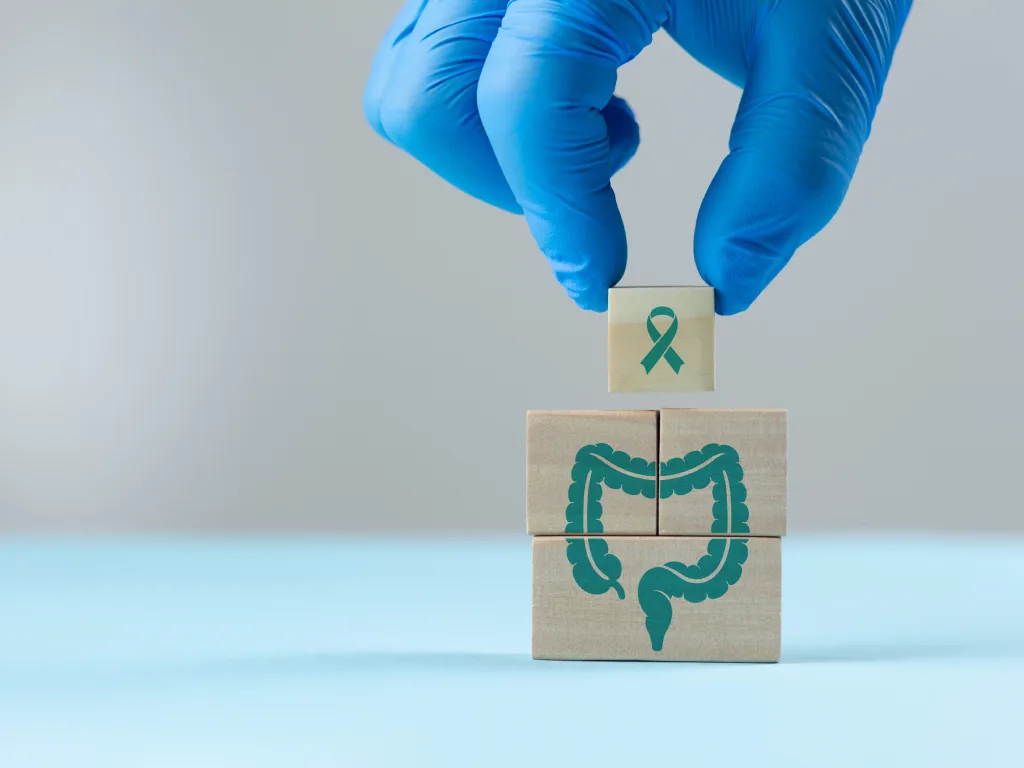
Colorectal cancer is a type of cancer that develops in the colon or rectum, parts of the large intestine. It is one of the most common cancers in Singapore, affecting both men and women, particularly those over 50.
Colorectal cancer can develop slowly over several years. It is classified into stages to guide treatment and prognosis:
- Stage 0: Very early cancer confined to the inner lining of the colon or rectum
- Stage 1: Cancer has grown into the wall of the colon or rectum
- Stage 2: Cancer has grown through the wall and may reach nearby tissues
- Stage 3: Cancer has spread to nearby lymph nodes
- Stage 4: Cancer has spread to distant organs
How Colorectal Cancer Develops
Colorectal cancer usually begins as small, non-cancerous growths called polyps in the lining of the colon or rectum. Over time, some polyps can become cancerous. As the cancer grows, it can spread to nearby tissues, lymph nodes, or other organs. Eventually, the disease can progress from stage 0 to stage 4, with symptoms becoming more noticeable and treatment approaches evolving as the cancer advances.

Signs and Symptoms
Early colorectal cancer often causes no noticeable symptoms. As the disease progresses, common colorectal cancer symptoms include:
- Changes in bowel habits, such as diarrhoea or constipation
- Blood in the stool or rectal bleeding
- Unexplained abdominal pain or cramping
- A feeling of incomplete bowel emptying
- Unexplained weight loss or fatigue
If left untreated, colorectal cancer will grow, cause obstruction of the bowel, or spread to other organs.
Causes and Risk Factors
The exact causes for colorectal cancer are complex, but several factors can increase risk:
- Age 50 or older
- Family history of colorectal cancer or polyps
- Personal history of inflammatory bowel disease, such as Crohn’s disease or ulcerative colitis
- Diet high in red or processed meat and low in fibre
- Sedentary lifestyle or obesity
- Smoking or excessive alcohol consumption
- Certain inherited genetic conditions, such as Lynch syndrome or familial adenomatous polyposis
Managing Colorectal Cancer
Early detection and timely treatment are key to improving outcomes. Treatment options depend on the stage, location, and overall health of the patient.
Treatment Options
Management may include:
- Surgery: Removing cancerous tissue is often the main treatment. Colorectal cancer surgery can be curative for early-stage disease.
- Chemotherapy or radiotherapy: Used before or after surgery in certain cases, especially for stage 3 colorectal cancer.
- Targeted or immunotherapy: For advanced cases or specific cancer types.
Treatment plans are personalised by a colorectal specialist or multidisciplinary team to optimise results and minimise side effects.
Prevention

While not all colorectal cancers are preventable, but risk can be reduced by:
- Eating a high-fibre diet rich in fruits, vegetables, and whole grains
- Exercising regularly and maintaining a healthy weight
- Limiting red and processed meat consumption
- Avoiding smoking and excessive alcohol
Participating in routine screening helps detect polyps or early cancer before symptoms appear. Common tests include:
- Faecal Immunochemical Test (FIT) / Stool Occult Blood: A simple home stool test that checks for hidden blood, which may signal polyps or early cancer.
- Colonoscopy: A procedure using a flexible camera to examine the colon and rectum, allowing doctors to detect and remove polyps during the same visit. This is the Gold standard for diagnosis of Colorectal Cancer.
Screening is recommended for adults aged 50 and above, or earlier for those with a family history or other risk factors.
When to See a Doctor
Consult a doctor or colorectal specialist promptly if you notice:
- Persistent changes in bowel habits
- Blood in your stool or rectal bleeding
- Unexplained abdominal pain or bloating
- Unexplained weight loss or fatigue
- A family history of colorectal cancer
Early consultation allows timely diagnosis and improves treatment outcomes.
Book an AppointmentFrequently Asked Questions
Screening is generally recommended for adults aged 50 and above, or earlier for those with a family history of colorectal cancer or other risk factors. Your colorectal cancer doctor in Singapore can advise when to start.
Colorectal cancer surgery is generally safe, but like any procedure, it carries risks such as bleeding, infection, or temporary bowel changes. Your colorectal cancer doctor will discuss risks and recovery expectations.
Yes, colorectal cancer can sometimes come back after treatment, even if the initial surgery or therapy was successful. The risk of recurrence depends on factors such as the cancer stage at diagnosis, how completely it was removed, and individual health factors. Regular follow-up appointments, imaging, colonoscopy, and blood tests help doctors monitor for recurrence and manage it early if it occurs.
Chemotherapy and radiation are treatments used alongside surgery to improve outcomes for colorectal cancer. Chemotherapy uses medications to kill cancer cells or stop them from growing, while radiation therapy uses targeted energy to shrink tumors. These therapies may be used:
- Before surgery (neoadjuvant therapy) to shrink a tumor and make it easier to remove.
- After surgery (adjuvant therapy) to reduce the risk of recurrence, especially in stage 2 or stage 3 colorectal cancer.
The exact approach depends on the cancer stage, location, and the patient’s overall health.
Available at

TEN Surgery Group (Gleneagles)

TEN Surgery Group (Mount Elizabeth Novena)
TEN Surgery Group (Mount Elizabeth)