What Is a Colonoscopy?
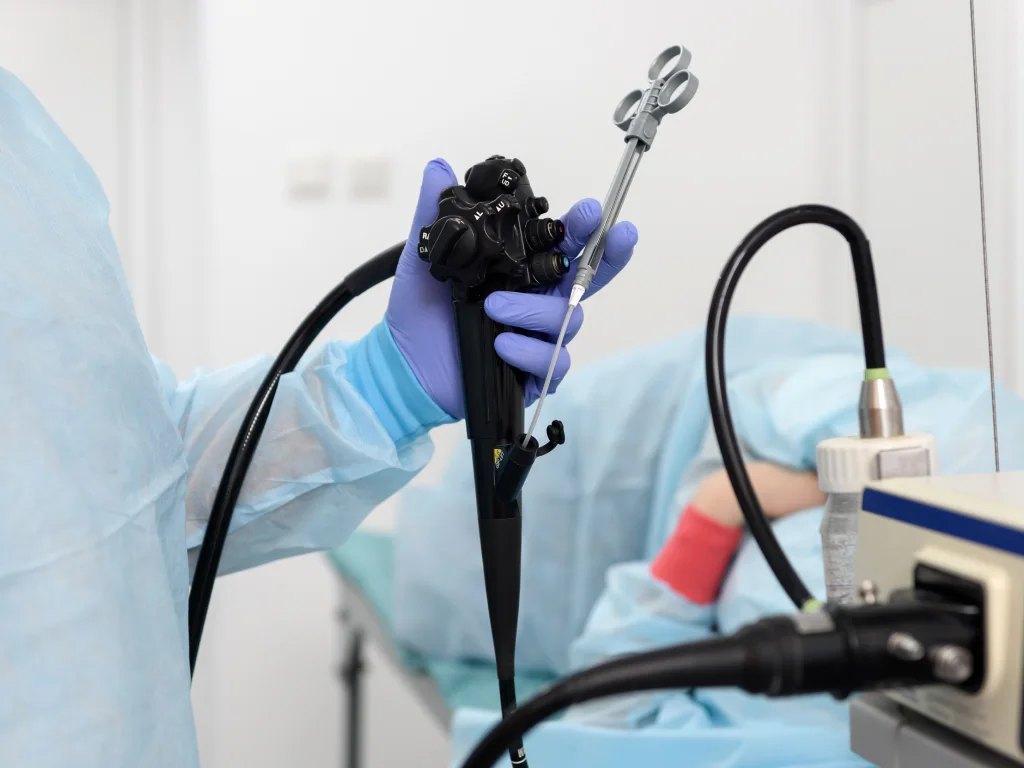
A colonoscopy is a medical procedure used to examine the inner lining of the colon using a thin, flexible camera. It allows doctors to directly visualise the colon and identify abnormalities such as inflammation, growths, or sources of bleeding.
In addition to helping with diagnosis, a colonoscopy can also be used to treat certain conditions during the same procedure. In Singapore, colonoscopy is commonly performed by colorectal specialists as part of comprehensive colorectal care.
Why Is a Colonoscopy Performed?
A colonoscopy is recommended when a direct examination of the colon is needed to better understand symptoms, confirm a diagnosis, or guide treatment decisions. It is commonly performed for people who experience:
- Persistent bowel habit changes
- Rectal bleeding or unexplained blood loss
- Abdominal pain related to the colon
- Abnormal findings from previous tests
- Conditions requiring close colorectal evaluation
In these situations, colonoscopy helps provide clarity and allows targeted management.
Role of Colonoscopy
Colonoscopy plays an important role in guiding colorectal treatment. Findings from the procedure help determine whether medical management, endoscopic treatment, or surgery is required. It is a procedure that enables doctors to:
- Identify structural abnormalities
- Take tissue samples for analysis
- Remove certain lesions safely
- Assess disease extent or location before treatment planning
Colonoscopy Procedure: What to Expect

Before the Procedure
Proper preparation is essential to ensure clear visualisation of the colon. Patients are usually advised to:
- Follow a prescribed bowel-cleansing regimen
- Adjust diet temporarily before the procedure
- Stop certain medications if instructed by the doctor
Your care team will provide clear instructions to ensure the colonoscopy procedure can be performed safely and effectively.
During the Procedure
A colonoscopy is usually performed under sedation to maximise comfort. A thin, flexible scope is gently inserted into the colon to examine its lining.
Some patients ask whether a colonoscopy is painful without sedation. While discomfort can occur without sedation, most colonoscopies in Singapore are performed with sedation, and the procedure is generally well tolerated.
After the Procedure
Following colonoscopy, patients are monitored briefly before discharge. Mild bloating or temporary discomfort may occur, but this usually settles within a short time.
Guidance on diet, including advice on the appropriate meal after colonoscopy, will be provided. Most patients can resume normal activities within a short period.
Recovery After Colorectal Surgery

Recovery after colonoscopy is usually straightforward. Patients are advised to:
- Rest for the remainder of the day
- Avoid driving or operating machinery after sedation
- Follow any dietary or medication instructions provided
Your doctor will discuss the findings and outline the next steps once the results are available.
Book an AppointmentFrequently Asked Questions
Without sedation, some discomfort or pressure may be felt during a colonoscopy, particularly when the scope moves through the colon. However, most colonoscopies in Singapore are performed with sedation, which helps minimise discomfort and allows the procedure to be well tolerated by most patients.
A colonoscopy usually takes about 20 to 30 minutes. The exact duration depends on individual findings and whether additional procedures, such as polyp removal or tissue sampling, are required.
Colonoscopy is generally safe when performed by trained specialists. As with any medical procedure, small risks such as bleeding or perforation exist, but these are uncommon. Your doctor will explain the benefits and risks before the procedure.
Yes. If polyps or certain abnormal growths are found, they can often be removed safely during the same procedure. Removing polyps helps reduce the risk of future complications.
Most patients can return to work and normal activities the day after the procedure. If sedation is used, rest is usually advised for the remainder of the day.

Available at

TEN Surgery Group (Gleneagles)

TEN Surgery Group (Mount Elizabeth Novena)
TEN Surgery Group (Mount Elizabeth)