What Is Colorectal Surgery?

Colorectal surgery refers to surgical treatment for conditions affecting the colon and rectum. It is commonly performed for colorectal cancer and other serious colorectal conditions that cannot be adequately managed with medication or endoscopic treatment alone.
As a subspecialty of general surgery, colorectal surgery focuses on removing diseased sections of the bowel while preserving function and quality of life whenever possible. In Singapore, most colon surgeries are now performed using minimally invasive techniques. It is beneficial to look for a Colorectal surgeon as they are specially trained for these operations.
Types of Colorectal Surgery
The type of colorectal surgery performed depends on the diagnosis, location of disease, and overall health of the patient.
Colon Resection Surgery (Colectomy):
Colon resection surgery, also known as colectomy, involves removing a diseased segment of the colon. This is one of the most common procedures performed for colon cancer.
After the affected portion is removed, the remaining ends of the bowel are usually reconnected to allow normal bowel function. The extent of surgery depends on factors such as the location and spread of the disease.
Keyhole (Laparoscopic) Surgery:
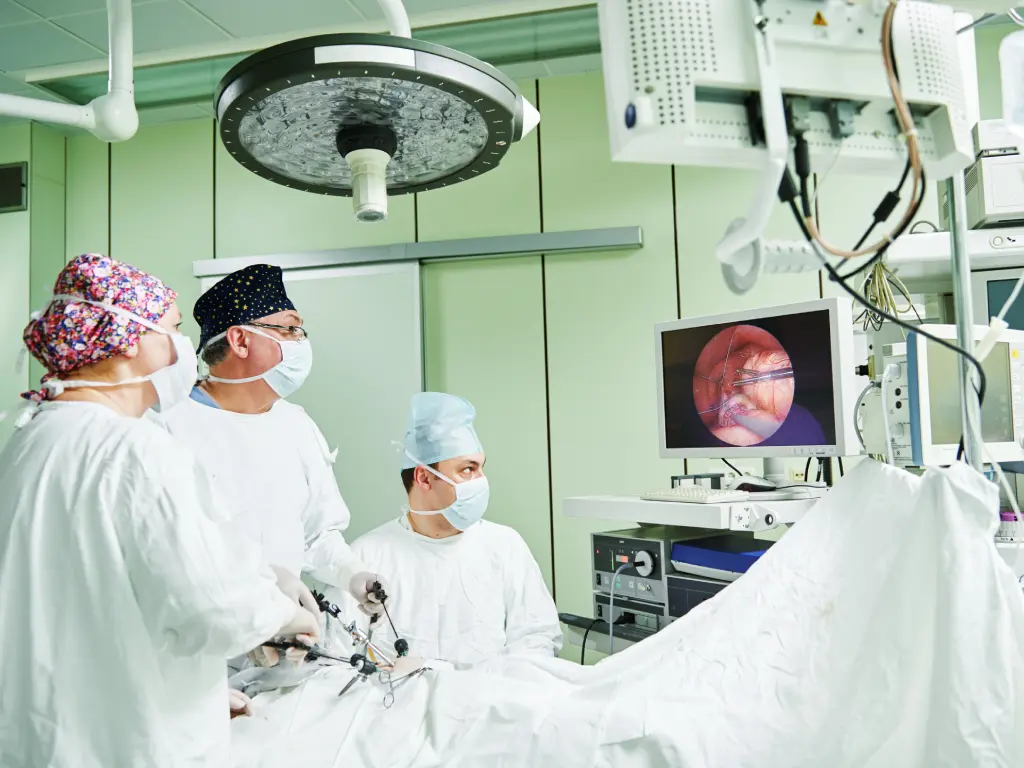
Keyhole surgery, also known as laparoscopic surgery, is a minimally invasive approach commonly used in colorectal surgery. It involves several small incisions through which a camera and specialised instruments are inserted.
Compared to traditional open surgery, laparoscopic colorectal surgery may offer several benefits, including:
- Smaller surgical wounds
- Reduced postoperative pain
- Faster recovery and mobilisation
- Shorter hospital stays
Robotic surgery is another advanced modality of keyhole surgery which potentially may have more benefits on top of laparoscopic surgery, albeit with increased costs.
Many studies have shown that keyhole surgeries are just as good as traditional open surgery in treating conditions such as colorectal cancer, with the benefits of being minimally invasive. Because of these advantages, laparoscopic techniques are widely used in colorectal surgery in Singapore, where appropriate.
Colonoscopy Practice in Surgical Care
Colonoscopy is sometimes used as part of pre-operative assessment to determine the exact location and extent of colorectal disease before surgery.
Patients often ask whether colonoscopy is painful. Colonoscopy is usually performed under sedation and is generally well tolerated. It is a diagnostic procedure and should not be confused with colorectal surgery, which involves surgical treatment rather than endoscopic examination.
Recovery After Colorectal Surgery

Recovery after colorectal surgery varies depending on the type of procedure performed and individual patient factors. Minimally invasive approaches such as laparoscopic or robotic surgery often allow for quicker recovery compared to open surgery.
Postoperative care may include:
- Pain control and early mobilisation
- Gradual reintroduction of diet
- Monitoring bowel function
- Follow-up appointments for recovery and long-term care
Your surgeon will provide specific recovery guidance tailored to your surgery.
Long-Term Care and Lifestyle After Surgery
After colorectal surgery, ongoing care focuses on recovery, monitoring, and maintaining bowel health. For patients treated for colon cancer, regular follow-up is important to assess healing and long-term outcomes.
Dietary advice and lifestyle recommendations may form part of post-surgical care to support overall health and bowel function.
When Is Colorectal Surgery Required?
Colorectal surgery may be recommended when definitive treatment is needed to address structural or cancer related conditions affecting the colon or rectum. These may include:
- Confirmed colon cancer requiring tumour removal
- Persistent or progressive colorectal cancer symptoms such as obstruction or bleeding
- Large or complex lesions unsuitable for endoscopic removal
- Complications such as perforation or severe inflammation
In many cases, surgery forms a key component of colon cancer treatment, aimed at removing the disease completely and preventing further spread.
Book an AppointmentFrequently Asked Questions
Colorectal surgery may be needed for conditions that cannot be treated with medication or endoscopic procedures alone. These include colorectal cancer, large or complex polyps, bowel obstruction, severe inflammation, or complications such as perforation.
Laparoscopic surgery is commonly used for colon cancer and offers smaller incisions and faster recovery compared to open surgery. Suitability depends on factors such as cancer stage, location, and overall health.
Colectomy is a type of colon resection surgery. Both terms refer to removing part or all of the colon, depending on the condition being treated.
Recovery varies based on the procedure and individual factors. Minimally invasive surgery usually allows quicker recovery, while open surgery may take longer.
Changes in bowel habits can occur after colorectal surgery, especially in the early recovery period. For most patients, bowel function gradually improves over time. Your care team will provide guidance on diet and recovery to support bowel health.
Available at

TEN Surgery Group (Gleneagles)


TEN Surgery Group (Mount Elizabeth Novena)
TEN Surgery Group (Mount Elizabeth)