What are Piles (Haemorrhoids)?

Piles, also known as haemorrhoids, are swollen or enlarged veins found in and around the anus or lower rectum. They are common among adults in Singapore and can cause discomfort, itching, or bleeding during bowel movements.
There are two main types of haemorrhoids:
- Internal haemorrhoids: Found deeper inside the anus and lower rectum, usually painless but may cause bleeding.
- External haemorrhoids: Found under the skin around the anus and may cause pain or swelling, especially if a blood clot forms.
While piles are not usually dangerous, they can affect quality of life if left untreated. Recognising the early signs can help prevent worsening symptoms and reduce the need for surgery later on.
How Piles Develop
Piles develop when pressure within the veins of the rectum and anus increases, causing them to swell. This pressure often results from straining during bowel movements, chronic constipation, pregnancy, or prolonged sitting. Over time, the tissues supporting these veins may weaken, allowing them to enlarge or prolapse.
Stages of Haemorrhoids
Haemorrhoids are graded based on severity:
- Grade I: Internal, may bleed but do not protrude.
- Grade II: Prolapse during bowel movements but retract on their own.
- Grade III: Prolapse and require manual repositioning.
- Grade IV: Permanently prolapsed and may require surgery.

Signs and Symptoms
Symptoms vary depending on type and severity. Some people experience mild irritation, while others have pain or bleeding that interferes with daily activities.
Common symptoms include:
- Bright red bleeding during or after passing stool
- Itching or irritation around the anus
- Pain or discomfort during bowel movements
- Swelling or a lump near the anus
- Mucus discharge or a feeling of incomplete emptying
If left untreated, haemorrhoids can become larger or more painful and may lead to complications such as blood clots (thrombosis). Persistent bleeding should always be assessed by a doctor.
Causes and Risk Factors
Piles often develop due to increased pressure in the anal veins. Common causes of haemorrhoids and risk factors include:
- Chronic constipation or diarrhoea
- Straining during bowel movements
- Low-fibre diet
- Prolonged sitting or standing
- Pregnancy, especially in later stages
- Obesity
- Ageing and weakened tissues
- Family history of haemorrhoids
Managing Piles
Most cases can be managed effectively through lifestyle changes, medication, or minor procedures. Early assessment helps prevent symptoms from worsening.
Treatment Options
Most cases of piles improve with simple lifestyle changes and over-the-counter treatment. Your doctor may recommend procedures or surgery if symptoms are severe or persistent.
Home and non-surgical care
Relief and recovery often begin with conservative measures such as:
- Eating a high-fibre diet and drinking plenty of water
- Using medicated creams or suppositories to ease pain and inflammation
- Taking stool softeners to reduce straining
- Soaking in warm sitz baths to relieve irritation
Minimally invasive procedures
If symptoms do not improve, your doctor may suggest outpatient treatments such as:
- Rubber band ligation: A small band is placed around the haemorrhoid to cut off its blood supply.
- Sclerotherapy: A solution is injected to shrink the vein.
- Infrared coagulation: Heat is used to seal affected tissue.
Surgical options
For severe or recurring cases, surgery may be required to remove or reposition swollen tissue. Options include:
- Haemorrhoidectomy or stapled haemorrhoidopexy
- Laser haemorrhoid surgery, which may reduce discomfort and shorten recovery
Prevention
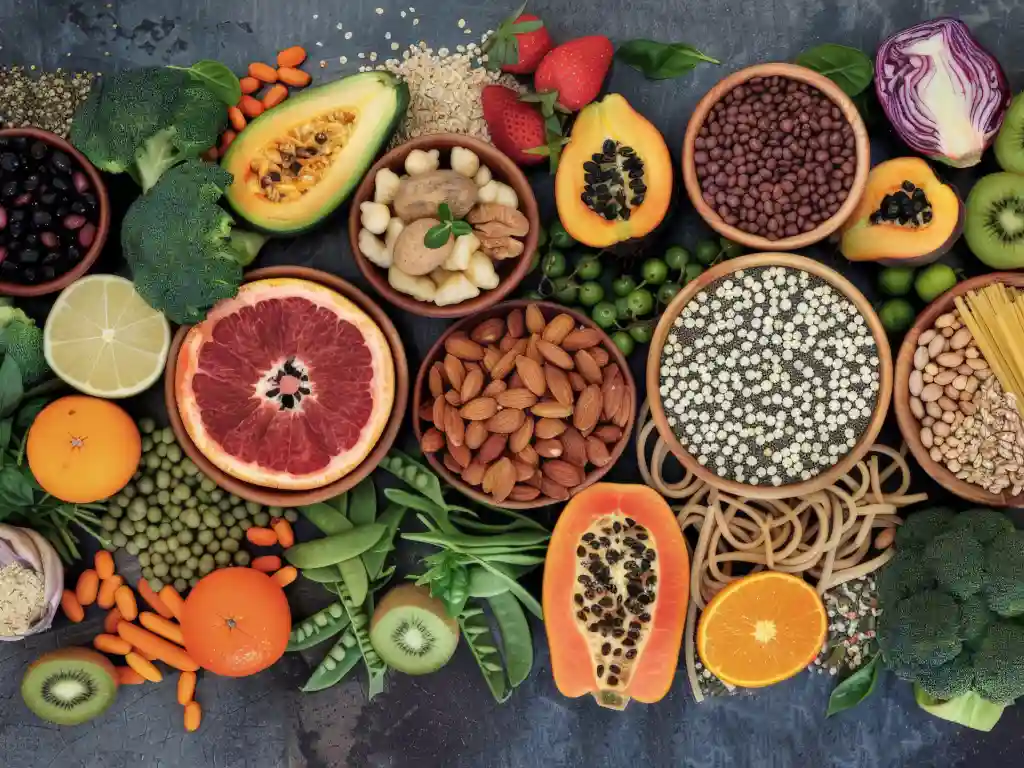
Healthy bowel habits help prevent piles and recurrence:
- Eat a high-fibre diet (fruits, vegetables, whole grains)
- Drink plenty of water
- Avoid straining
- Exercise regularly
- Limit prolonged sitting
- Respond promptly to the urge to pass stool
Routine health screening also supports overall digestive and colorectal health.
Common screening tests that help detect bowel-related issues early, such as chronic constipation or rectal bleeding, include:
- Colonoscopy: helps detect early signs of colorectal disease or polyps
- Faecal Immunochemical Test (FIT): screens for hidden blood in stool
- General health checks: identify factors such as chronic constipation or low fibre intake
When to See a Doctor
Seek medical care if you experience:
- Persistent bleeding
- Severe pain or swelling
- Lumps that do not resolve
- Changes in bowel habits
Early consultation with a colorectal specialist allows for accurate diagnosis and timely relief.
Book an AppointmentFrequently Asked Questions
Common signs include bleeding, itching, or a lump near the anus. Similar symptoms can occur with other conditions, so it’s best to see a colorectal doctor for an accurate diagnosis.
Mild cases may improve with a high-fibre diet, good hydration, and avoiding straining. If symptoms persist beyond a week, seek medical advice.
Flare-ups are often linked to constipation, prolonged sitting, pregnancy, or heavy lifting.
Modern laser and minimally invasive procedures are designed to reduce discomfort and recovery time. Most patients experience manageable post-procedure pain that improves within days.
Yes, recurrence can occur if healthy bowel habits and diet are not maintained. Consistent fibre intake, hydration, and avoiding straining help prevent it.
Yes. TEN Surgery offers consultations with a female colorectal surgeon, providing professional and discreet care for female patients.
Available at

TEN Surgery Group (Gleneagles)

TEN Surgery Group (Mount Elizabeth Novena)
TEN Surgery Group (Mount Elizabeth)