What is Inguinal Hernia?
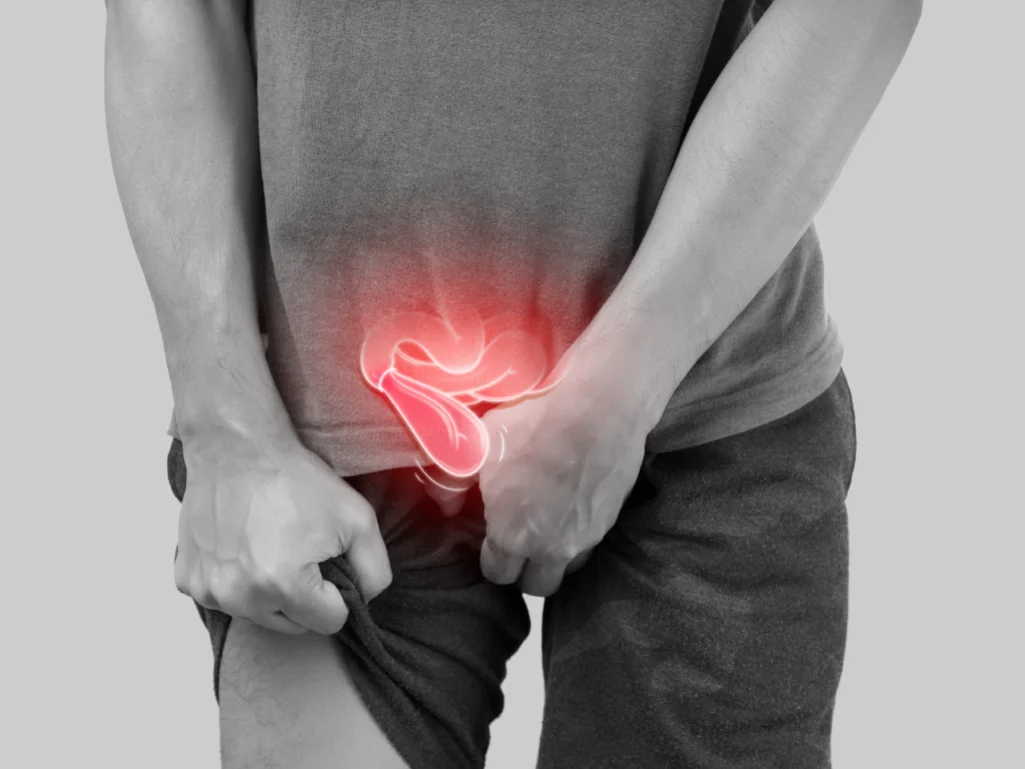
An inguinal hernia is a condition where tissue, usually fat and sometimes part of the intestines, protrudes through a weakened area of the lower abdominal wall near the groin. This is one of the most common types of hernia, affecting both adults and children.
You may notice an inguinal hernia as a bulge in the groin, which becomes more visible when standing, coughing, or engaging in physical activity. While it may not always cause pain at first, an inguinal hernia does not go away on its own and can worsen over time.
How Inguinal Hernias Develop
Inguinal hernias develop when increased pressure inside the abdomen pushes tissue through a weak point in the abdominal wall. This weakness can either be congenital (present from birth) or develop over time due to strain on the muscles.
Certain activities that increase abdominal pressure, such as heavy lifting, coughing, or straining during bowel movements, can make an inguinal hernia more noticeable and cause symptoms to worsen.
Signs and Symptoms
Common inguinal hernia symptoms include:
- A visible or noticeable lump in the groin
- Discomfort or pain, especially when lifting, coughing, or standing
- A dragging or heavy feeling in the groin
- Relief of symptoms when lying down
Symptoms may vary in severity. Even if the discomfort is mild, it’s important to get it checked by a healthcare professional to determine the right treatment and prevent complications.

Causes and Risk Factors
Several factors can increase the risk of developing an inguinal hernia, including:
- Congenital weakness in the abdominal wall (present from birth)
- Age-related weakening of tissues in the abdomen
- Frequent heavy lifting or intense physical activity
- Chronic coughing or constipation
- Obesity
- Family history of hernias
Being aware of these risk factors can help you take steps to reduce your chances of developing a hernia.
Types of Inguinal Hernia
Inguinal hernias are classified into two types, which can affect treatment options:
- Indirect inguinal hernia: Often present from birth, it can occur in children or younger adults due to a congenital opening.
- Direct inguinal hernia: Typically develops later in life as a result of weakening abdominal muscles.
The type of hernia influences the treatment plan, including whether surgery is needed and which approach is most suitable.
Managing Inguinal Hernia
Treatment depends on the severity of symptoms, the size of the hernia, and its impact on daily life.
Treatment Options
Common treatment options include:
- Observation: In some cases, especially if symptoms are mild, doctors may recommend monitoring the hernia over time.
- Hernia surgery: Surgical intervention is typically recommended if symptoms worsen or daily activities are affected.
- Inguinal hernia laparoscopic surgery: This minimally invasive procedure is often the preferred method in Singapore for suitable patients, offering a faster recovery time and less scarring. Another option of minimally invasive hernia repair is Robotic surgery.

Possible Complications
If left untreated, an inguinal hernia can lead to serious complications, including:
- Incarceration: The herniated tissue becomes trapped and cannot be pushed back into place.
- Strangulation: The blood supply to the herniated tissue is cut off, which can lead to tissue death.
- Severe pain and swelling: This can occur suddenly and requires immediate medical attention.
Inguinal Hernia in Children
Inguinal hernias are also common in children, especially infants, and are often congenital (present from birth). Surgical repair is typically required to close the opening in the abdominal wall. Paediatric care for inguinal hernias involves age-appropriate surgical planning and anaesthesia to ensure a safe and effective procedure.
When to See a Doctor
It’s important to consult a doctor if you experience:
- A persistent or enlarging groin lump
- Increasing pain or discomfort
- Difficulty reducing the hernia
- Sudden pain, redness, nausea, or vomiting
Early assessment helps determine the safest and most appropriate management plan.
Book an AppointmentFrequently Asked Questions
No. An inguinal hernia does not resolve without treatment and may enlarge over time.
Surgery is usually recommended when symptoms affect daily life, the hernia is enlarging, or there is concern about complications.
Not always. Suitability depends on hernia type, previous surgeries, and individual health factors.
Though rare, inguinal hernias can recur after surgery, especially if there's strain from heavy lifting or obesity. Following your surgeon’s post-surgery care instructions can help reduce the risk of recurrence.
A surgeon experienced in inguinal hernia management can assess the condition and advise on appropriate treatment.
Available at

TEN Surgery Group (Gleneagles)

TEN Surgery Group (Mount Elizabeth Novena)
TEN Surgery Group (Mount Elizabeth)