What is Anal Fissure?
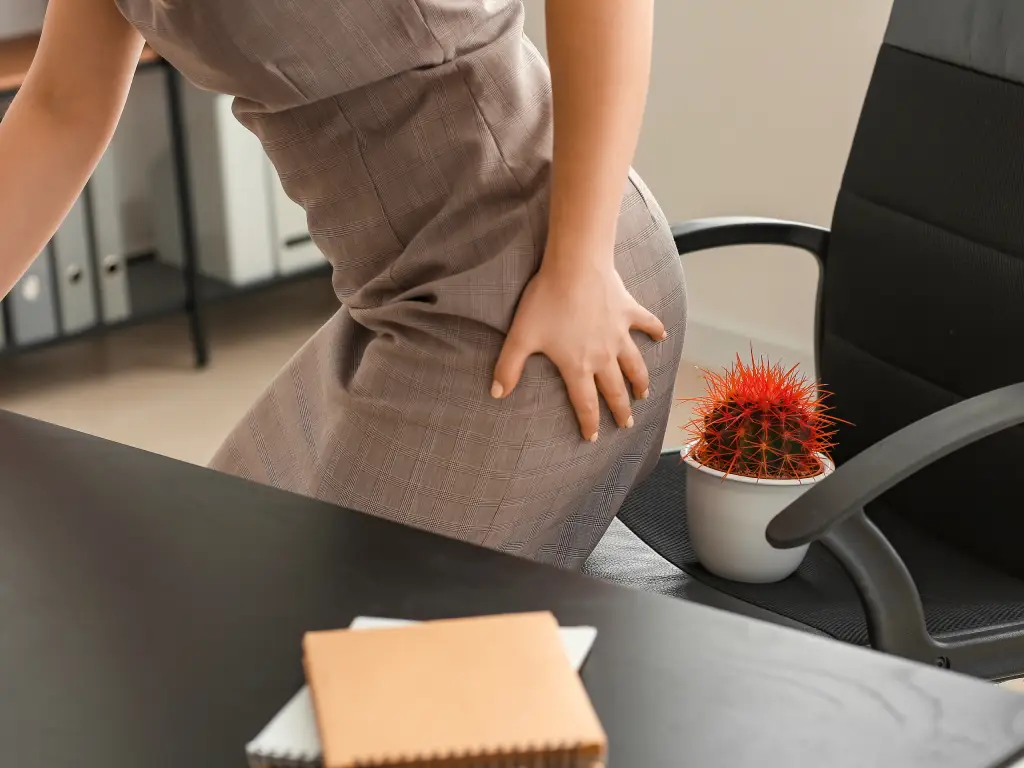
An anal fissure is a tear in the lining of the anus, usually caused by passing hard stools or straining during bowel movements. It is a common condition in Singapore and can affect both adults and children. Anal fissures may be acute (short-term) or chronic (persisting for more than 6 weeks).
How Anal Fissures Develops
An anal fissure occurs when the delicate skin around the anal canal is stretched beyond its limit. This often happens during constipation, straining or trauma to the anal area. When a tear forms, the surrounding muscles may tighten or spasm in response, reducing blood flow to the area and making healing slower. Over time, this cycle can cause persistent pain and delayed recovery.

Signs and Symptoms
Patients with anal fissures commonly notice:
- Sharp pain during bowel movements, often described as “cutting” or “tearing”
- Bright red blood on toilet paper or stool
- A visible small tear near the anus
- Itching or irritation around the anal area
- A skin tag near the fissure (more common in chronic fissures)
If left untreated, chronic anal fissures may lead to persistent pain, recurrent bleeding, or infections.
Causes and Risk Factors
Common causes and factors that increase the risk of anal fissures include:
- Constipation and hard stools
- Straining during bowel movements
- Chronic diarrhoea
- Low fibre intake
- Pregnancy or childbirth
- Previous anal injury or surgery
- Inflammatory bowel disease, such as Crohn’s disease
Managing Anal Fissure
Treatment focuses on relieving symptoms, promoting healing, and preventing recurrence. Most anal fissures improve with early care, and only a minority require surgery.
Treatment Options
Management usually begins with simple, non-surgical measures:
- Maintaining a high-fibre diet and drinking plenty of water
- Using stool softeners as advised by a doctor
- Taking warm sitz baths to relax the anal muscles
- Applying prescribed topical medications to improve blood flow and reduce muscle spasms
- Taking pain relief as needed
If symptoms persist, your doctor may recommend:
- Botulinum toxin (Botox) injection to relax the anal sphincter
- Lateral Internal Sphincterotomy (LIS), a well-established and effective surgery for chronic anal fissures, commonly performed in Singapore
Most patients recover well with the right treatment approach.
Prevention
To reduce the risk of anal fissures or prevent recurrence:
- Maintain a high-fibre diet (fruits, vegetables, whole grains)
- Drink 1.5–2 litres of water daily
- Avoid excessive straining when passing motion
- Respond promptly to the urge to pass stool
- Maintain regular bowel habits
- Manage chronic constipation or diarrhoea early
These habits help keep stools soft and prevent straining, which is one of the main triggers for anal fissures.
When to See a Doctor

Consult a doctor or colorectal specialist if you experience:
- Persistent pain for more than a few days
- Bleeding that recurs or becomes heavier
- Difficulty passing stools despite home measures
- Symptoms lasting more than 6–8 weeks
- Signs of infection, such as fever, pus, or severe swelling
Early assessment helps relieve discomfort and prevents chronic fissures.
Book an AppointmentFrequently Asked Questions
Most acute anal fissures heal within 4–6 weeks with conservative treatment. Chronic fissures may take longer or require procedural or surgical intervention.
Anal fissures are usually not dangerous but can be very painful. If left untreated, they may become chronic, causing ongoing pain, muscle spasms, and a higher risk of infection. Early treatment can prevent complications.
Anal fissures are tears in the lining of the anus, while haemorrhoids are swollen veins. Both can cause bleeding, but fissures typically cause sharp pain during bowel movements. A doctor can help distinguish between the two.
Most people do not need surgery. Surgery is recommended only when symptoms persist despite proper medical therapy or if the fissure becomes chronic.
Lateral Internal Sphincterotomy (LIS) is a well-established and generally safe procedure used for chronic anal fissures. It is commonly performed as a day surgery in Singapore, with most patients returning home the same day.
Available at

TEN Surgery Group (Gleneagles)

TEN Surgery Group (Mount Elizabeth Novena)
TEN Surgery Group (Mount Elizabeth)