What Is Keyhole Surgery?
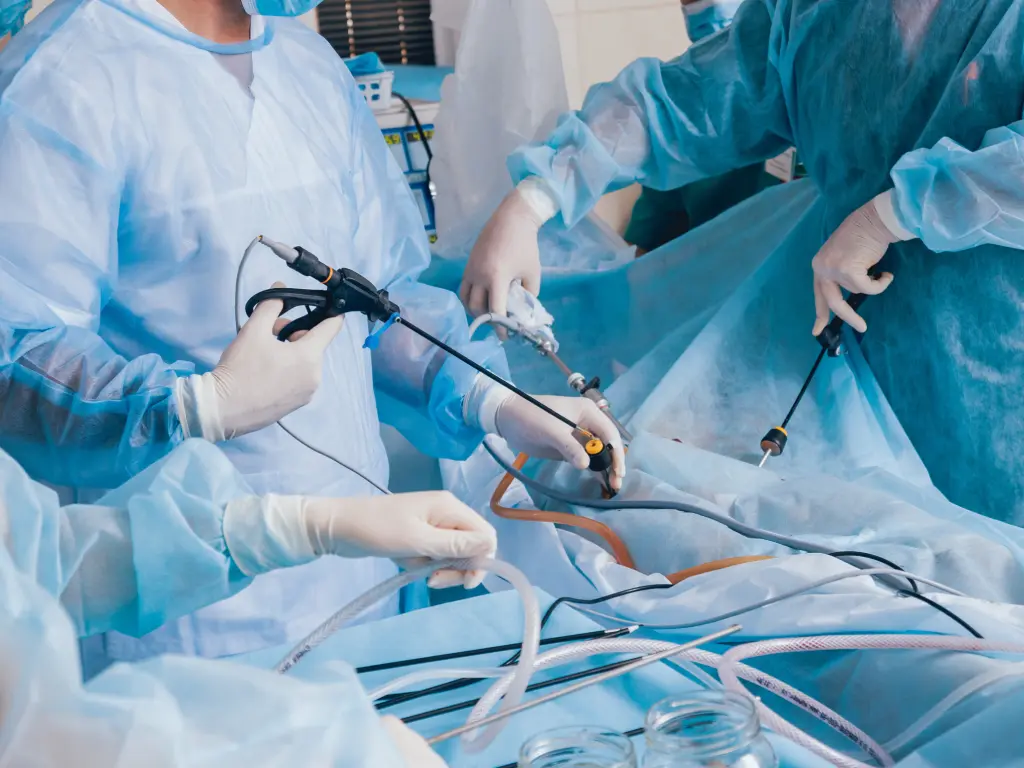
Keyhole surgery, also known as laparoscopic surgery, is a minimally invasive surgical technique that uses small incisions and specialised instruments to perform operations inside the body.
Instead of making a large surgical wound, keyhole surgery is carried out through several small openings. A camera provides clear images to guide the surgeon, allowing treatment to be performed with precision while minimising trauma to surrounding tissues. This approach is widely used for many surgical procedures in Singapore.
Keyhole Surgery vs Open Surgery
Keyhole surgery and open surgery differ mainly in how the operation is performed.
Keyhole surgery uses small incisions and specialised instruments, while open surgery involves a larger incision to directly access the surgical area. In some situations, open surgery may still be necessary. Your surgeon will advise on the most appropriate approach based on your condition.
Benefits of Keyhole Surgery
Keyhole surgery is designed to provide effective treatment while reducing physical stress on the body. Potential benefits include:
- Faster wound healing
- Lower risk of wound-related complications
- Earlier return to work and daily activities
In Singapore, keyhole surgery is commonly performed for many surgical conditions.
Keyhole Surgery Recovery

Recovery after keyhole surgery varies depending on the type of procedure and individual factors. In general, patients may expect:
- A short hospital stay
- Gradual return to light activities within a few days
- Full recovery over time, depending on the operation performed
Your surgeon will provide personalised recovery advice based on your procedure and overall health.
Procedures Commonly Performed Using Keyhole Surgery

Keyhole surgery is used for a wide range of procedures, including:
- Appendectomy and laparoscopic appendectomy
- Gallbladder removal (keyhole surgery for gallstones)
- Hernia repair
- Colorectal Surgery
In Singapore, laparoscopic surgery is commonly recommended when patients are suitable candidates, and the condition allows for a minimally invasive approach.
When Keyhole Surgery May Not Be Suitable?
While keyhole surgery is suitable for many patients, it may not be appropriate in all cases. Factors such as previous abdominal surgery, severe inflammation, infection, or complex anatomy may affect suitability.
A specialist assessment is required to determine whether keyhole surgery or open surgery is the safest and most effective option.
Book an AppointmentFrequently Asked Questions
For most patients, keyhole surgery does not affect long-term daily activities. Once recovery is complete, patients usually return to normal routines without restrictions related to the surgery.
Yes. Keyhole surgery is usually performed under general anaesthesia to ensure safety and comfort.
Scars from keyhole surgery are usually small and become less noticeable over time.
Keyhole surgery may reduce certain risks such as wound-related complications and prolonged hospital stay. However, overall risk depends on the procedure and individual health factors.
Temporary restrictions may apply, such as avoiding heavy lifting or strenuous exercise during early recovery. Your surgeon will advise when normal activities can be resumed safely.
Available at

TEN Surgery Group (Gleneagles)

TEN Surgery Group (Mount Elizabeth Novena)

TEN Surgery Group (Mount Elizabeth)