What is Breast Screening?
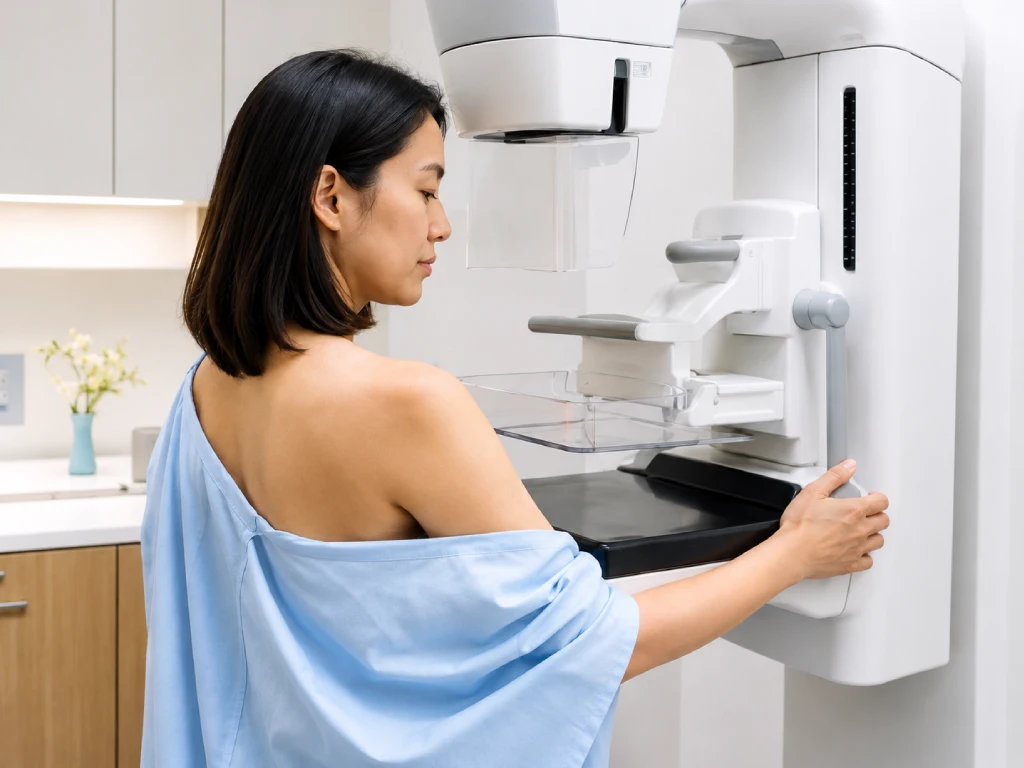
Breast screening is the use of breast examinations and imaging tests to detect breast cancer before symptoms develop. The aim of screening is to identify breast cancer at an early stage when treatment is often simpler and outcomes are generally better.
While most women who undergo breast screening do not have breast cancer, screening plays an important role in detecting cancers before they become large enough to be felt.
Who Should Undergo Breast Screening?
Screening recommendations vary according to a woman's age, breast density, family history and overall breast cancer risk.
Women at average risk are generally advised to undergo yearly mammographic screening from the age of 40 to 49, followed by mammographic screening every two years from the age of 50 onwards.
Women with a strong family history of breast or ovarian cancer, known inherited genetic conditions (such as BRCA1 or BRCA2) or other high-risk factors may require earlier or more intensive screening. An individualised screening plan can be recommended based on your risk profile.
Types of Breast Screening
Mammogram
A mammogram is a specialised low-dose X-ray of the breast and the most effective screening test for detecting early breast cancer.
It is particularly useful in identifying abnormalities such as microcalcifications and breast masses before they become clinically apparent.
Breast Ultrasound
Breast ultrasound uses sound waves to examine the breast tissue.
It is often used together with mammography to further evaluate abnormalities detected during screening, particularly in women with dense breast tissue.
Ultrasound is not a replacement for mammography but provides complementary information.
Breast MRI
Breast MRI provides highly detailed images of the breast and is recommended for selected women at higher risk of breast cancer or when additional assessment is required. It is not routinely recommended for breast screening in women at average risk.
Breast Self-Awareness
Women should be familiar with the normal appearance and feel of their breasts.
Breast self-awareness does not replace routine screening. It may help women recognise new changes such as a breast lump, nipple discharge or skin changes that should be assessed by a doctor.
Benefits of Breast Screening
Breast screening can:
- Detect breast cancer before symptoms develop
- Increase the likelihood of detecting cancer at an earlier stage
- Improve treatment options and long-term outcomes
Limitations of Breast Screening
Although breast screening is an important tool, no screening test is perfect.
Breast screening may occasionally:
- Miss some cancers that are very small or do not show up well on mammography (false-negative results)
- Detect abnormalities that require further investigation but are ultimately benign (false-positive results)
Sometimes a screen flags something that turns out to be harmless, leading to a follow-up scan. Being recalled for additional tests is relatively common and usually does not mean you have breast cancer. It simply means a further assessment is needed.
Dense breast tissue can make mammograms more difficult to interpret and may reduce the ability to detect some breast cancers. Women with dense breasts may benefit from supplemental imaging such as a breast ultrasound, depending on their individual risk factors and imaging findings.
Your doctor can help interpret screening findings and advise whether further assessment is required.
When Should I See a Doctor?
See a doctor promptly if you notice:
- A new lump or thickening in the breast or armpit.
- Nipple discharge, especially if bloody or from one side.
- Skin dimpling, puckering, or an “orange-peel” texture.
- A nipple that turns inward or changes shape.
- A persistent change in the size, shape or feel of one breast.
- Redness, scaling or a rash on the nipple or breast skin.
Most breast changes turn out to be harmless but they are worth checking. A screening mammogram is for women without symptoms. If you have any of the above symptoms, you need a doctor's assessment, not a routine screen.
Frequently Asked Questions (FAQ)
Yes. Most women diagnosed with breast cancer have no family history. Early cancer often has no symptoms at all. Screening is intended precisely for women who feel well.
This depends on your age, breast density, risk factors and clinical findings. Your doctor can recommend the most appropriate imaging for you.
A finding doesn't mean cancer. It usually means obtaining more mammogram views or an ultrasound, and sometimes a biopsy, to get a clear answer. Your doctor will guide you through each step.
There is brief pressure as the breast is compressed, which some women find uncomfortable for a few seconds. If possible, book your mammogram during the week after your period, when your breasts are usually less tender.
A mammogram uses a very low dose of X-ray radiation. For women in the recommended age groups, the benefit of finding cancer early far outweighs the small dose involved.
Self-checks do not replace mammograms but knowing how your breasts normally look and feel helps you notice changes early. See a doctor if something seems different.