What are Colon Polyps?

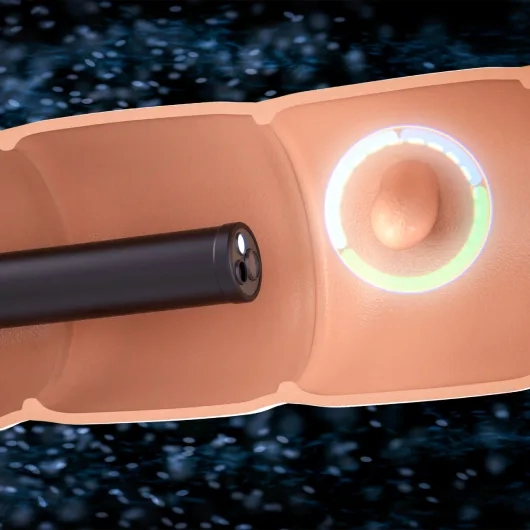
Colon polyps are growths that develop on the inner lining of the colon (large intestine). They are common, especially in adults over the age of 50, and are often found during routine colonoscopy screening in Singapore.
Most colon polyps are benign (non-cancerous). However, some types can become cancerous over time if left untreated. Detecting and removing colon polyps early can significantly reduce the risk of colorectal cancer.
How Colon Polyps Develop
Colon polyps develop when cells in the lining of the colon grow abnormally, forming a small lump or protrusion into the bowel. These growths can vary in size and shape and may occur anywhere along the colon.
In many cases, polyps grow slowly and do not cause symptoms. Certain types of colon polyps have a higher risk of turning into cancer, which is why timely detection and removal are important.
Signs and Symptoms
Most colon polyps do not cause noticeable symptoms and are often found incidentally. When symptoms do appear, they may include:
- Rectal bleeding or blood in the stool
- Changes in bowel habits, such as constipation or diarrhoea
- Abdominal discomfort or cramps
- Fatigue related to blood loss (in some cases)
Since the symptoms of colon polyps can be subtle or asymptomatic, regular check-ups are essential for early detection.
Causes and Risk Factors
Several factors increase the likelihood of developing colon polyps:
- Increasing age, especially after 50 years
- Family history of colon polyps or colorectal cancer
- Diet high in red or processed meats and low in fibre
- Obesity and lack of physical activity
- Smoking and heavy alcohol consumption
- Chronic inflammatory bowel conditions, such as ulcerative colitis or Crohn’s disease
Managing Colon Polyps
Management depends on the size, number, and type of polyps found. The main goal is to remove polyps safely and monitor for any recurrence or complications.
Treatment Options
Most colon polyps are removed during colonoscopy without the need for open surgery. Common treatment approaches include:
- Colon polyp removal: Small polyps are removed using specialised instruments during colonoscopy
- Polypectomy: Removal of larger polyps using a snare or cautery
- Colon polyps surgery: Recommended for very large polyps, those difficult to remove endoscopically, or polyps suspected to be cancerous.
- Follow-up and surveillance: Additional monitoring or treatment if cancerous polyps are detected.
In Singapore, colon polyp surgery is performed in both public and private hospitals, often using minimally invasive techniques when suitable.
Prevention
While not all colon polyps can be prevented, the risk can be reduced through healthy lifestyle choices and regular screening:
- Eat a balanced, high-fibre diet rich in fruits, vegetables and whole grains
- Exercise regularly
- Maintain a healthy weight
- Avoid smoking and limit alcohol intake
Participating in routine screening helps detect polyps before symptoms appear. Common tests include:
- Faecal Immunochemical Test (FIT): A simple home stool test to check for hidden blood, which may indicate polyps or early cancer. Recommended annually for adults aged 50 and above.
- Colonoscopy: A procedure that examines the colon and rectum; polyps can be detected and removed during the same visit. Gold standard for diagnosis of colon polyps.
- Follow-up colonoscopies: For individuals who have previously had polyps detected.
When to See a Doctor

You should consult a doctor if you experience:
- Rectal bleeding or blood in the stool
- Persistent changes in bowel habits
- Unexplained abdominal pain
- Family history of colon polyps or colorectal cancer
Even if you have no symptoms, talk to your doctor about recommended colorectal check-ups based on your age and risk factors.
Book an AppointmentFrequently Asked Questions
No. Most colon polyps are benign. However, cancerous colon polyps can develop over time if certain types are not removed early.
Yes, colon polyps can sometimes recur. The risk depends on the type, size, and number of polyps removed. Follow-up colonoscopies are recommended to monitor for new polyps, and maintaining a healthy lifestyle along with regular screening can help reduce the risk.
It depends on your risk and previous findings:
- Average-risk adults: Start screening around age 50, with colonoscopy every 5–10 years if no polyps are found. Most also do an annual FIT as part of Singapore’s Screen for Life programme.
- Higher-risk individuals: May need earlier and more frequent colonoscopies.
- After polyp removal: Your doctor will personalise follow-up based on the size, type, and number of polyps.
Colon polyp removal is typically painless as it is done during colonoscopy under sedation. Most patients can return home the same day.
You may consult a colorectal surgeon or gastroenterologist in Singapore for evaluation, colonoscopy, and appropriate treatment or surgery if needed.
Available at

TEN Surgery Group (Gleneagles)

TEN Surgery Group (Mount Elizabeth Novena)
TEN Surgery Group (Mount Elizabeth)