


Haemorrhoids are common during pregnancy, particularly in the second and third trimesters. Although they can be uncomfortable, many cases improve with simple lifestyle measures and after childbirth.
You do not have to manage the discomfort alone. Understanding the cause of your symptoms and knowing which treatments are suitable during pregnancy can help you find relief safely.
Why Do I Have Piles While Pregnant?
During pregnancy, several changes can increase pressure on blood vessels around the rectum and anus.
These include:
1. Pressure from Your Growing Uterus
As your baby grows, the uterus places increasing pressure on the pelvic blood vessels. This can affect blood flow and contribute to swelling around the rectum and anus.
2. Hormonal Changes and Constipation
Pregnancy hormones, including progesterone, as well as the physical pressure of the growing baby in the uterus can slow bowel movements. Constipation may cause stools to become harder and more difficult to pass, increasing pressure during bowel movements.
3. Straining on the Toilet
Repeated straining can worsen existing haemorrhoids or contribute to new ones. Spending long periods sitting on the toilet may also increase pressure in the area.
4. Pressure During Childbirth
Pushing during labour can increase pressure on the pelvic and anal blood vessels. Haemorrhoids may become more noticeable after delivery, although many improve gradually during the postpartum period.
What Do Pregnancy Haemorrhoids Look Like?
Symptoms vary depending on the type and severity of the haemorrhoids. Common signs include:
- Itching or irritation around the anus
- Pain or soreness, particularly when passing stools
- Swelling around the anus
- A lump near the anal opening
- Bright red blood on toilet paper or in the toilet bowl
- Mucus after a bowel movement
- A feeling that your bowel has not emptied completely
Important: Rectal bleeding should not automatically be attributed to haemorrhoids. Other conditions can cause similar symptoms, so seek medical advice if you notice bleeding, especially if it is new, persistent or unexplained.
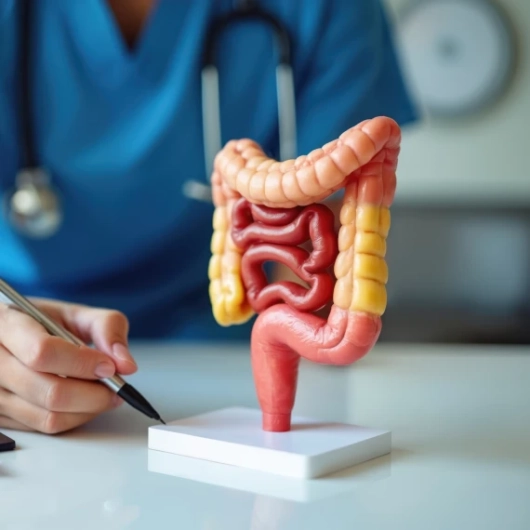
What do pregnancy haemorrhoids look like?
You should seek medical advice if you experience:
- Rectal bleeding for the first time or bleeding that keeps returning
- Severe or persistent pain
- A lump that becomes suddenly painful
- Symptoms that do not improve with self-care
- Unexpected changes in your bowel habits
Seek urgent medical attention for heavy or ongoing bleeding, black or tarry stools, faintness or severe pain.
A specialist can assess your symptoms, confirm whether haemorrhoids are the cause, and discuss suitable management options. If treatment is needed, the approach will depend on the severity of your symptoms and your stage of pregnancy.
Book a ConsultationHow to Relieve Haemorrhoid Pain During Pregnancy?
1. Dietary Changes and Fibre Intake
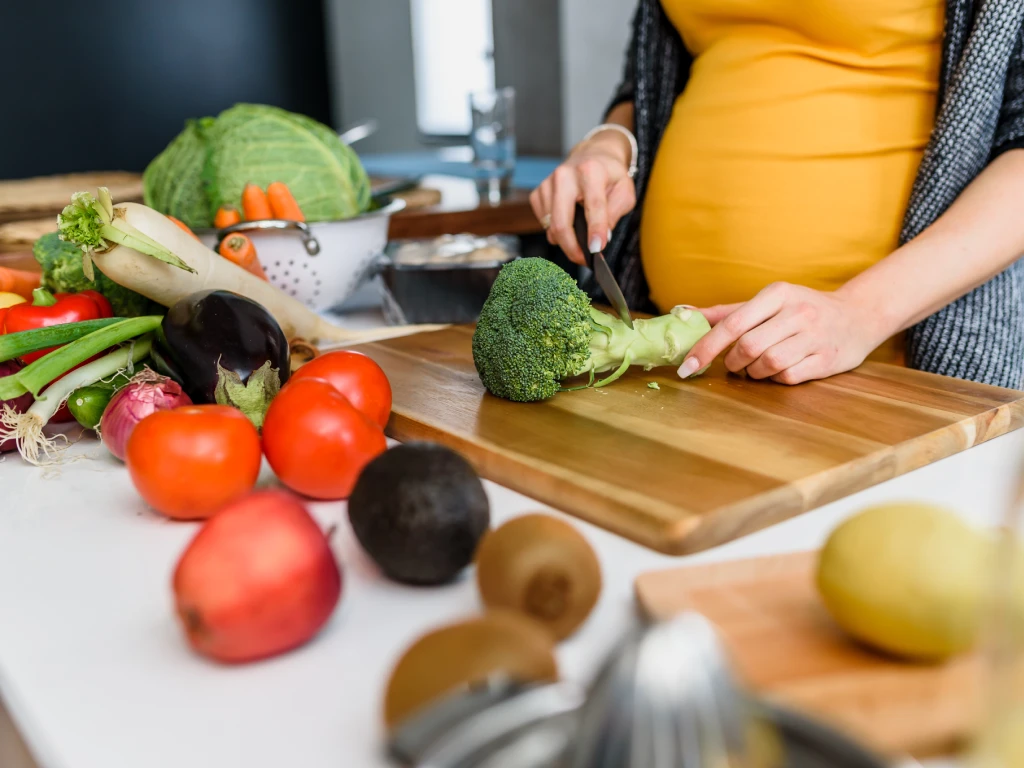
Constipation and straining during bowel movements can worsen haemorrhoids. Increasing your fibre intake can help soften stools and make them easier to pass.
2. Adequate Fluid Intake
Drinking enough water can help keep stools soft and reduce the need to strain during bowel movements.
3. Stool Softeners and Laxatives
If constipation persists despite dietary and lifestyle changes, your doctor may recommend a stool softener or laxative that is appropriate during pregnancy.
These medicines can help make bowel movements easier and reduce strain, which may prevent existing haemorrhoids from becoming more uncomfortable.
4. Warm Baths and Cool Compresses
Warm baths, cool compresses and gentle cleaning can help to soothe the irritation and reduce swelling and discomfort.
5. Haemorrhoid Creams and Suppositories
Some topical creams, ointments, or suppositories may help relieve symptoms such as itching, swelling, and discomfort. However, their suitability during pregnancy depends on the active ingredients, how they are used and your individual circumstances.
Medical Procedures for Severe or Persistent Haemorrhoids
Most haemorrhoids during pregnancy can initially be managed without surgery. However, further treatment may be considered if symptoms are severe.
Depending on the findings, a colorectal surgeon may discuss procedures such as:

Rubber Band Ligation
A small band is placed around the base of an internal haemorrhoid to reduce its blood supply.

Haemorrhoid Surgery
An operation may be considered for selected patients with severe or complicated haemorrhoids.
These procedures are not routinely required for pregnancy-related haemorrhoids. When possible, non-urgent procedures are often deferred until after childbirth. If symptoms are severe or complications occur, your specialist will assess the risks and benefits of treatment during pregnancy and coordinate care with your obstetric team when appropriate.
Our Colorectal Surgeon

Dr Eugene Yeo
Senior Consultant Colorectal Surgeon in Singapore
Dr Eugene Yeo is a Senior Consultant Colorectal & General Surgeon at Mount Elizabeth Medical Centre with extensive experience in the diagnosis and treatment of colon conditions in Singapore. He previously served at Singapore General Hospital (SGH), Department of Colorectal Surgery, and completed advanced fellowship training at Yonsei Severance Hospital, South Korea, a high-volume centre for robotic surgery.

Dr Ng Kheng Hong
Senior Consultant Colorectal & General Surgeon
Dr Ng Kheng Hong is a Senior Consultant Colorectal & General Surgeon at Gleneagles Medical Centre with extensive experience in colorectal care, including laparoscopic and robotic-assisted surgery. He previously served as Director of Minimally Invasive Surgery at the Department of Colorectal Surgery at Singapore General Hospital (SGH), where he contributed to the advancement of surgical techniques and patient care.

Dr Toh Ee Lin
Senior Consultant General & Colorectal Surgeon
Dr Toh Ee-Lin is a Senior Consultant General and Colorectal Surgeon at Mount Elizabeth Novena with more than 16 years of clinical experience. She provides assessment and treatment for benign and cancer related colorectal conditions, with experience in minimally invasive colorectal surgery and complex pelvic tumour surgery.
Clinic Locations

TEN Surgery Group
(Mount Elizabeth)
3 Mount Elizabeth,
Suite #04-03 Medical Centre, Singapore 228510
Operating Hours
Monday – Friday*: 08:30 – 12:00 | 14:00 - 17:00
Saturday*: 8:30 – 12:00
Sunday & Public Holiday*: Closed

TEN Surgery Group
(Gleneagles)
6 Napier Rd, Suite #03-13
Gleneagles Medical Centre, Singapore 258499
Operating Hours
Monday – Friday*: 08:30 – 12:00 | 14:00 – 17:00
Saturday*: 8:30 – 12:00
Sunday & Public Holiday*: Closed
TEN Surgery Group
(Mount Elizabeth Novena)
38 Irrawaddy Rd, #07-23
Singapore 329563
Operating Hours
Monday – Friday*: 08:30 – 12:30 | 14:00 – 17:00
Saturday*: 8:30 – 12:30
Sunday & Public Holiday*: Closed
Frequently Asked Questions (FAQ)
Yes. Haemorrhoids are common during pregnancy because hormonal changes, constipation and pressure from the growing uterus can affect the blood vessels around the anus. They may be more noticeable during the second and third trimesters.
A small amount of bright red blood can occur with haemorrhoids, particularly after passing a hard stool. However, rectal bleeding should not automatically be assumed to be caused by piles. Seek medical advice, especially if the bleeding is new, persistent or unexplained.
Some products may be suitable, but not all haemorrhoid creams or suppositories are appropriate during pregnancy. Check with your doctor or pharmacist before using any treatment.
Haemorrhoids themselves generally do not directly harm your baby. However, bleeding, severe pain or other unexplained symptoms should be assessed to confirm the cause and ensure appropriate care.
Not necessarily. Many cases improve with dietary changes, bowel habit adjustments and other conservative measures. If symptoms are severe or persistent, a specialist can assess the condition and discuss the timing and suitability of further treatment. Most of the time surgery is deferred till after pregnancy and lactation is completed.
Yes. Some haemorrhoids may persist or recur after childbirth, particularly if constipation or straining continues. Maintaining healthy bowel habits and seeking medical advice when symptoms persist can help with management.