



Dr Tan Qing Ting
Senior Consultant Breast Surgeon
MBBS (Singapore), MRCS (Edinburgh), MMed (Singapore), FRCS (Edinburgh)
Why Choose Dr Tan Qing Ting?
- Over 10 years of specialist experience
- Former Specialist Breast Surgeon at KK Women's & Children's Hospital (KKH)
- Ministry of Health HMDP recipient with advanced training in oncoplastic and reconstructive breast surgery
- Pioneered endoscopic mastectomy, advancing minimally invasive breast surgery at KKH
- International training in the United Kingdom, Korea and Japan
- Global Ambassador for Breast Cancer in Young Women Foundation
What Causes a Breast Lump?
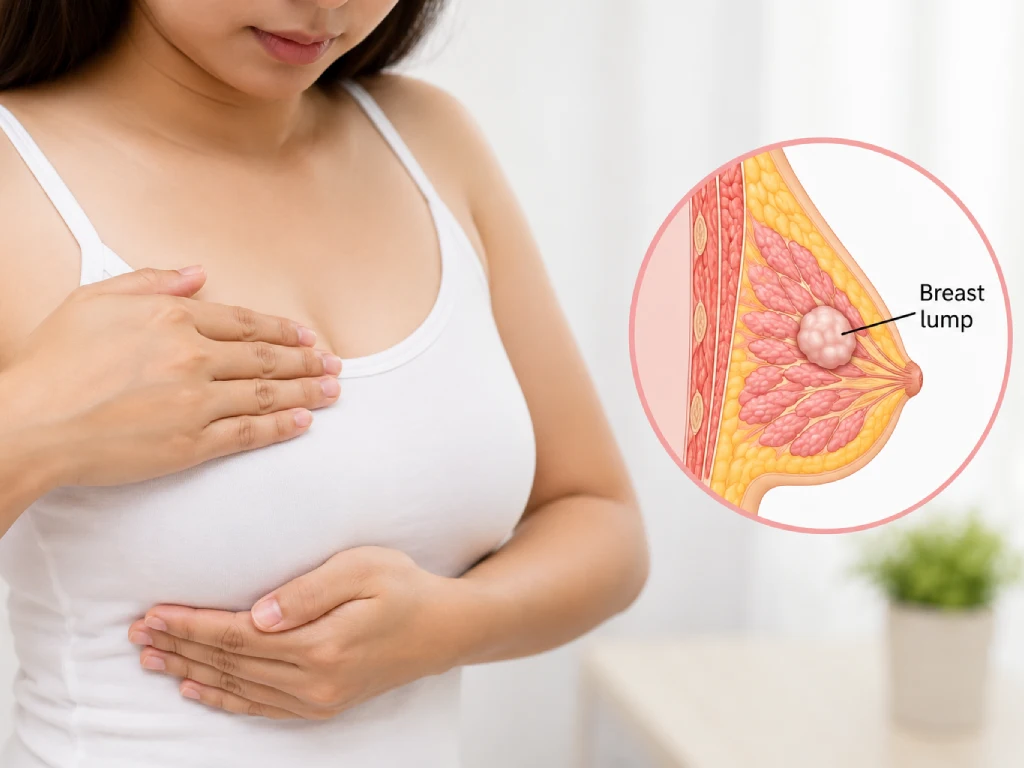
A breast lump can develop for many different reasons. While breast cancer is one possible cause, most breast lumps are benign.
Common benign causes include:
- Breast cysts
- Fibroadenoma
- Benign phyllodes tumour
- Lipoma
- Intraductal Papilloma
- Fat necrosis
- Fibrocystic breast changes
Approximately 8 to 9 out of every 10 breast lumps are benign. However, it is not possible to determine the cause of a breast lump based on symptoms alone. A detailed assessment by a breast specialist is important to determine the cause and recommend the most appropriate management.
When Should You See a Breast Surgeon?
Arrange a consultation if you notice:
- A new breast lump
- A lump that persists or increases in size
- Persistent breast pain
- Skin dimpling, thickening or redness
- New nipple inversion or persistent changes involving the nipple or areola
- New nipple discharge
- A lump in the armpit
Although most breast lumps are benign, comprehensive evaluation is important to exclude breast cancer.
Is Breast Pain Always a Sign of Breast Cancer?
Breast pain (mastalgia) is a common symptom experienced by many women and is rarely caused by breast cancer.
Although breast pain is usually benign, any persistent breast pain associated with a new lump or other concerning symptoms should be evaluated promptly by a breast specialist.
What causes breast pain?
Breast pain may arise from:
- Hormonal fluctuations
- Breast cysts
- Fibrocystic breast changes
- Musculoskeletal conditions
- Chest wall inflammation
- Poorly fitting bras
Some benign breast conditions such as breast cysts, fibrocystic breast changes and breast infections, may cause both a breast lump and breast pain.
Book an AppointmentWhat to Expect During Your Visit
Every consultation is tailored to your symptoms and medical history. Depending on your individual needs, your assessment may include:
- Clinical Consultation
Dr Tan will discuss your symptoms, medical history, family history of cancer, risk factors and any previous breast imaging or biopsy results. - Clinical Breast Examination
A clinical breast examination to assess your breasts and the affected area. - Breast Imaging
Depending on your symptoms and examination findings, Dr Tan may recommend one or more of the following investigations:
- Mammogram
A low-dose X-ray of the breast commonly recommended in women aged 40 years and above. Younger women may occasionally require mammography depending on their symptoms and clinical findings. - Breast Ultrasound
Breast ultrasound is commonly used to assess breast lumps and breast tissue changes in greater detail, particularly in younger women or women with dense breast tissue. - Breast MRI
Used selectively when additional information is required after mammography and ultrasound. - Breast Biopsy
If imaging findings require further clarification, Dr Tan may recommend a biopsy to obtain tissue samples for laboratory analysis.
Why Early Assessment Matters
Most breast lumps and episodes of breast pain are caused by benign conditions. However, early assessment allows appropriate investigation, timely diagnosis and, where necessary, prompt treatment.
Seeking medical advice early can also provide reassurance and help you better understand your breast health.
Book an AppointmentClinic Location
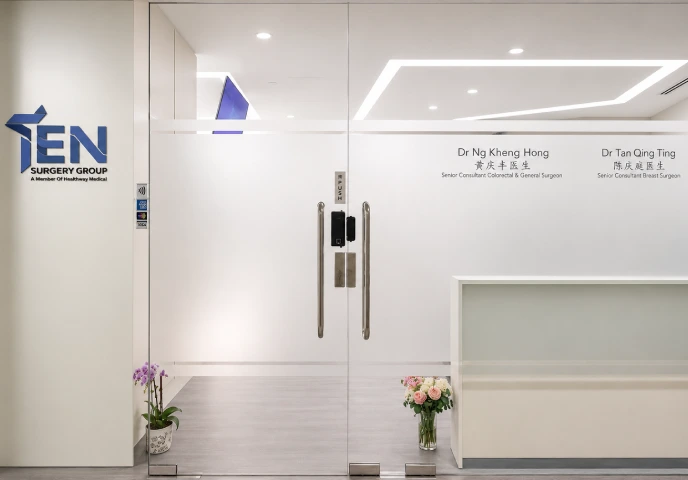
TEN Surgery Group (Gleneagles)
6 Napier Rd, Suite #03-13
Gleneagles Medical Centre,
Singapore 258499
Operating Hours
Mon - Fri: 08:30 – 12:00 | 14:00 – 17:00
Sat: 08:30 – 12:00
Sunday & PH: Closed
Insurance panels:
Alliance, Fullerton, IHP, iXchange (Cigna, Parkway, Shenton), MHC, Prudential, Singlife, Great Eastern, Income
Frequently Asked Questions (FAQ)
No. Most breast lumps are benign, such as cysts and fibroadenomas. However, every new breast lump should be assessed to determine its cause.
Yes. Pain is not a reliable indicator of whether a breast lump is benign or cancerous. A painless breast lump should still be evaluated.
No. Breast pain is often related to hormonal changes or other benign conditions. Although breast pain alone is not usually a sign of breast cancer, any breast pain associated with a new lump or other concerning symptoms should be assessed promptly.
Yes. Some breast lumps, particularly breast cysts or hormone-related breast changes, may fluctuate during the menstrual cycle. However, any new or persistent breast lump should be assessed by a breast specialist.
Yes. Men can develop breast lumps, most commonly due to benign enlargement of the breast tissue (gynaecomastia). However, any new or persistent breast lump in a man should also be assessed by a breast specialist.
Not always. A biopsy is recommended when clinical examination or imaging findings require further clarification or appear suspicious.
No. You can make an appointment directly with Dr Tan without a referral.
Concerned about a Breast Lump or Persistent Breast Pain?
Book a consultation with Dr Tan for a comprehensive breast assessment.