


What Are Piles?
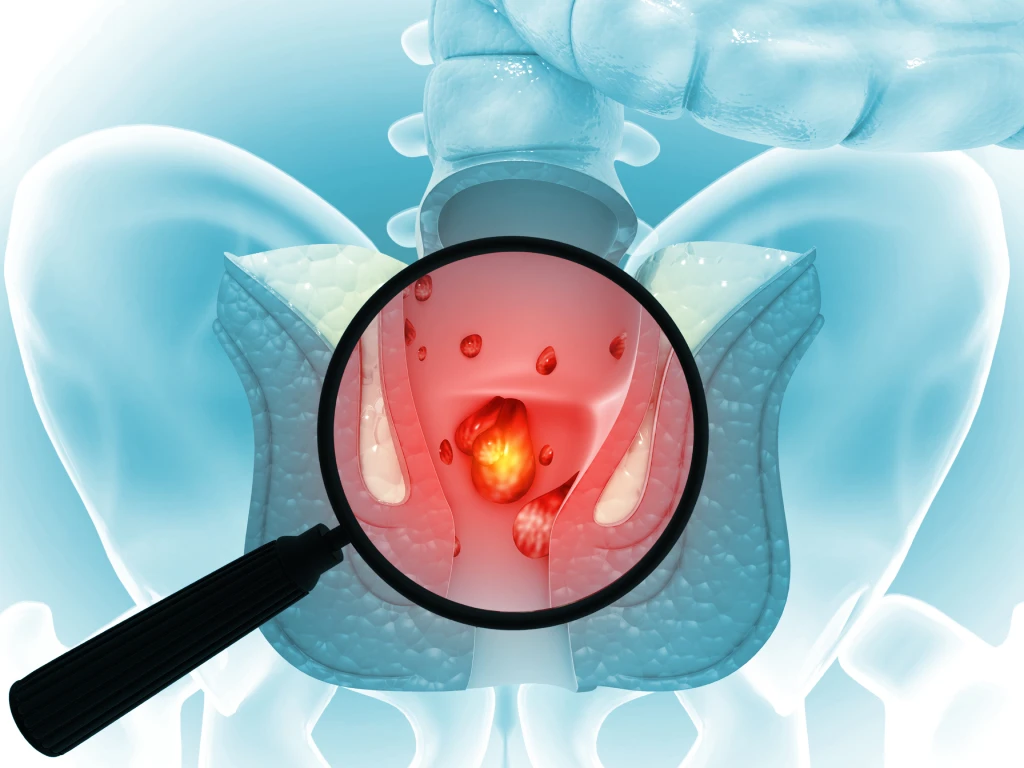
Piles, also known as haemorrhoids, are swollen blood vessels inside the rectum or around the anus.
They develop when increased pressure causes the veins in the lower rectum or around the anus to become enlarged and swollen.
Although piles themselves do not become cancer, they can cause symptoms similar to other colorectal conditions. That's why it's important to have persistent symptoms properly assessed.
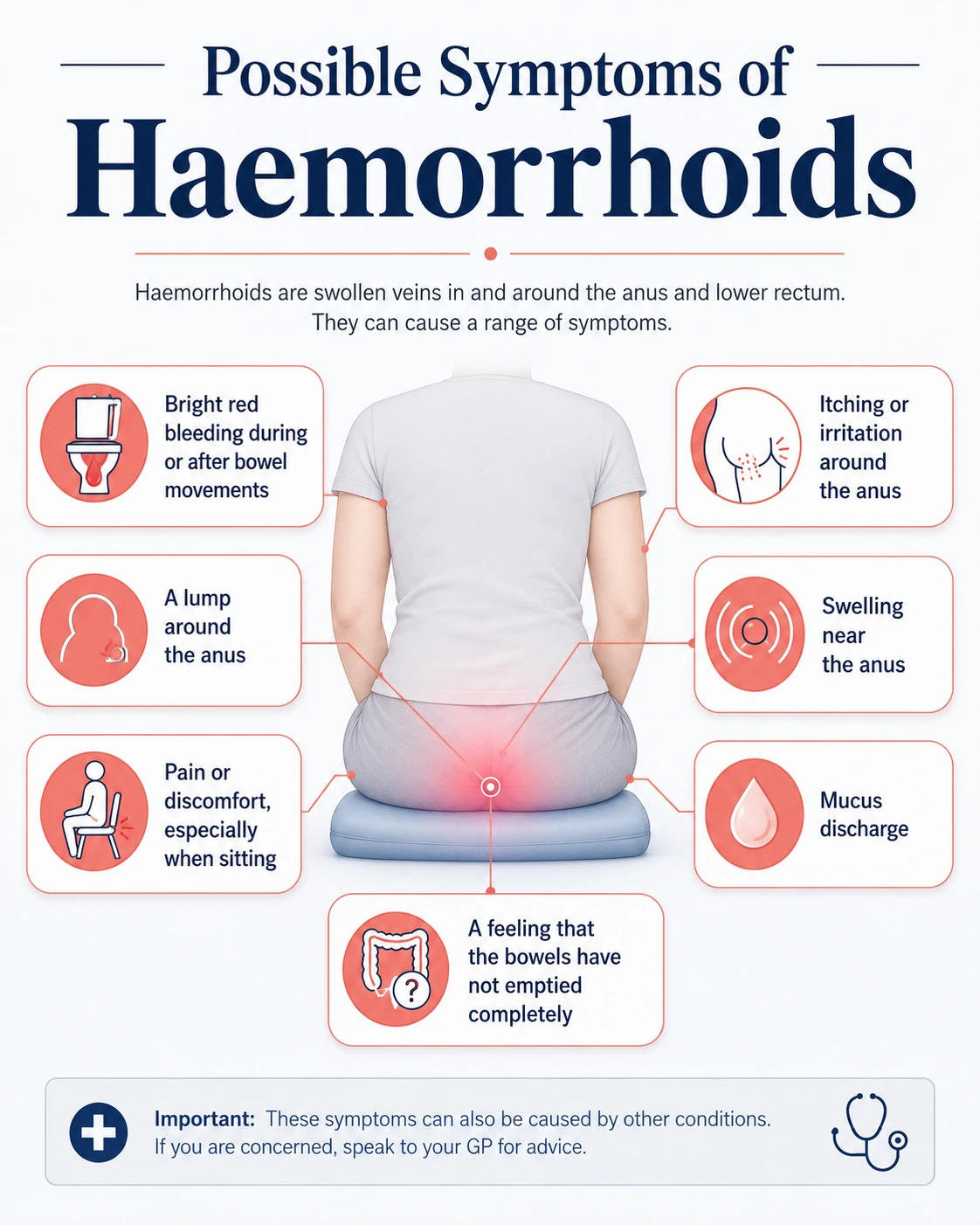
Common signs and symptoms include:
Bright red blood during or after bowel movements
- A lump around the anus
- Pain or discomfort, especially when sitting
- Itching or irritation around the anus
- Swelling near the anus
- Mucus discharge after passing stool
- A feeling of incomplete bowel emptying
Some people experience only occasional bleeding, while others may develop severe pain if a blood clot forms inside an external pile.
Do I Need to See a Doctor for Piles?
In some mild cases, piles may improve within a few days with simple lifestyle changes, such as eating more fibre, drinking plenty of water, and avoiding straining during bowel movements.
However, if your symptoms are persistent, painful, or keep coming back, it's important to seek medical advice. Treatment may be needed to relieve your symptoms and prevent the condition from worsening.
You should also see a doctor if you notice blood during or after bowel movements. While bleeding is commonly caused by piles, it can also be a sign of other conditions, including colorectal cancer. A proper medical assessment is important to determine the cause of the bleeding and rule out more serious conditions.
What Can I Expect During My Consultation?
During your consultation, Dr. Ng will take the time to understand your symptoms and determine what is causing them.
Your assessment may include:
- A discussion about your symptoms and medical history
- A physical examination
- A digital rectal examination, if appropriate
- An anoscopy or proctoscopy to examine the anal canal
- A colonoscopy if further investigation is recommended, particularly if you have rectal bleeding or other risk factors
Dr. Ng will only recommend the assessments that are appropriate based on your symptoms and medical history.
How Are Piles Treated?
Treatment depends on the severity of your symptoms. Many patients improve without surgery.
Treatment options may include:
- Lifestyle changes and medications to relieve mild symptoms
- Minimally invasive procedures for persistent or troublesome piles
- Surgery for larger or recurrent piles, when necessary
Once your diagnosis has been confirmed, Dr. Ng will explain your condition and recommend a personalised treatment plan based on your needs.
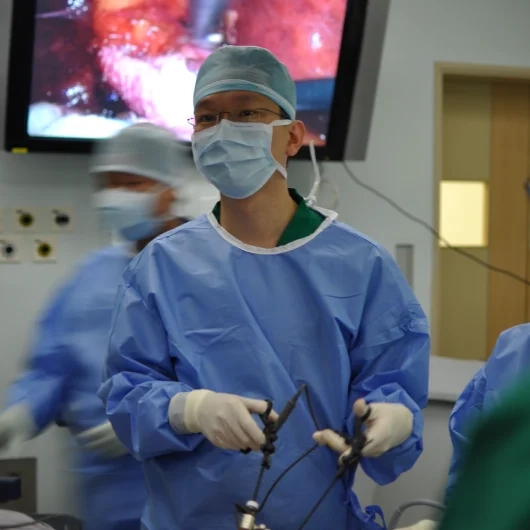
Dr Ng Kheng Hong
Senior Consultant Colorectal & General Surgeon
Dr Ng Kheng Hong is a Senior Consultant General & Colorectal Surgeon with extensive experience in diagnosing and treating piles and other colorectal conditions.
He believes in providing personalised care, beginning with a thorough assessment before recommending the least invasive treatment that can effectively relieve your symptoms.
Whether your condition can be managed with lifestyle changes, minimally invasive procedures, or surgery, Dr Ng will guide you through every step of your treatment with professionalism and compassion at TEN Surgery Group, Gleneagles Medical Centre.
Clinic Location

TEN Surgery Group (Gleneagles)
6 Napier Road
Suite #03-13
Gleneagles Medical Centre
Singapore 258499
Operating Hours
Mon – Fri: 08:30 – 12:00 | 14:00 – 17:00
Sat: 08:30 – 12:00
Sun & PH: Closed
Frequently Asked Questions
Mild piles may improve with dietary and lifestyle changes. However, persistent or recurring piles should be assessed by a doctor to determine whether further treatment is needed.
Piles are caused by increased pressure on the veins in the rectum and anus. This can happen due to constipation, straining during bowel movements, prolonged sitting on the toilet, a low-fibre diet, pregnancy, obesity, heavy lifting, or ageing.
Not necessarily. Many patients see improvement in their condition with lifestyle changes, medications, or minimally invasive treatments. Surgery is usually recommended only for larger or recurrent piles that have not responded to other treatments.
Treatment depends on the severity of your condition. Many treatments involve some level of discomfort, but modern surgical techniques are designed to reduce pain and support a faster recovery.
Piles themselves are usually not dangerous and do not become cancerous. However, because rectal bleeding can also be caused by colorectal cancer or other bowel conditions, it is important to have your symptoms evaluated.
Mild piles may improve within a few days with lifestyle changes and home care. However, larger or recurring piles may not go away on their own and can continue to cause discomfort. If your symptoms persist, recur frequently, or worsen, it is advisable to seek medical assessment to determine the most appropriate treatment.