


Understanding Colorectal Cancer
The colon, or large intestine, is responsible for processing waste and reabsorbing fluids from the digestive system.
Many colorectal cancer cases develop from polyps in the colon. These growths may remain benign, but some can change over time. When not detected early, they may progress and involve nearby tissues.
Because early stages may not present clear symptoms, some individuals are only diagnosed at a later stage.
Who May Be at Higher Risk?
Risk can vary based on individual factors. You may have a higher risk if you:
- Are aged 50 and above
- Have a history of colon polyps or colorectal conditions
- Have a family history of colorectal cancer
- Have inflammatory bowel disease (IBD)
- Have lifestyle factors that may increase risk
A doctor can help assess your risk and advise on appropriate next steps.
Screening & Diagnostic Evaluation
Screening and diagnostic tests may be used to detect abnormalities in the colon and guide further management.
- Colonoscopy
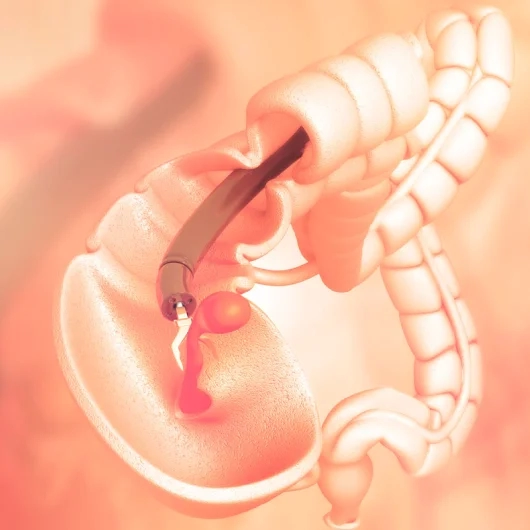
A procedure that allows direct visualisation of the colon. Polyps, if identified, may be removed during the procedure. - Faecal Occult Blood Test (FOBT)
A non-invasive test that detects small amounts of blood in the stool, which may require further investigation. - CT Colonography
A scan that produces images of the colon. If abnormalities are detected, additional procedures may be recommended.
Your doctor will advise on the most suitable approach based on your condition.
Treatment Approaches for Colorectal Cancer
Treatment planning is individualised and depends largely on the stage of the condition and overall health.
Approaches that may be considered include:
- Surgical procedures to remove affected areas of the colon or rectum
- Chemotherapy in certain situations
- Radiation therapy where clinically appropriate
In some cases, a combination of approaches may be recommended. Your doctor will discuss suitable options and explain how each approach may apply to your condition.
Types of Surgical Approaches
Different surgical techniques may be considered depending on the clinical situation:
- Open surgery
- Laparoscopic (minimally invasive) surgery
- Single incision procedures
- Robotic-assisted surgery
The choice of technique depends on various factors, including the extent and location of the condition. Your surgeon will advise on the most appropriate approach.
About Dr Ng Kheng Hong
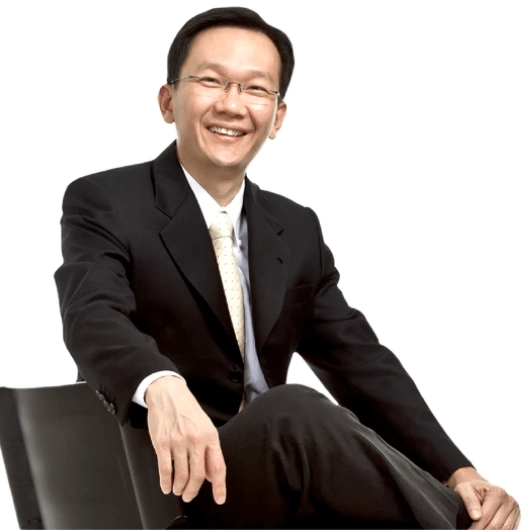
Dr Ng Kheng Hong is a colorectal surgeon in Singapore with approximately 20 years of clinical experience.
He has experience in minimally invasive surgical techniques, including laparoscopic and robotic-assisted procedures, and has been involved in the development of robotic surgery programmes in Singapore.
Dr Ng has held appointments in both public and private institutions, and has contributed to teaching and training in advanced surgical techniques locally and internationally.
Academic Qualifications
- Bachelor of Medicine and Bachelor of Surgery, National University of Singapore (1999)
- Master of Medicine in General Surgery (2003)
- Fellow to the Royal College of Surgeons, Edinburgh (2006)
- Health Manpower Development Plan Award for Advanced Laparoscopic & Robotic Surgery (2006)
Current appointments
- Director and Senior Consultant Surgeon, KH Colorectal & Minimally Invasive Surgery
- Visiting Senior Consultant General Surgeon, KK Women’s and Children’s Hospital (since 2012)
- Chairman, Chapter of General Surgeon, College of Surgeons, Singapore
- Adjunct Assistant Professor, Faculty of Medicine, National University of Singapore (since 2012)
Book a Consultation
If you have been diagnosed with colorectal cancer, or have concerns about your symptoms or condition, you may consider speaking with a colorectal specialist for further assessment.
A consultation can help you:
- Understand your diagnosis and stage of condition
- Review available treatment approaches
- Clarify next steps based on your situation
Make an enquiry or book a consultation with our team at TEN Surgery.
Frequently Asked Questions
Many cases develop from polyps in the colon. Screening and diagnostic tests can help identify these changes and guide further management.
Dietary patterns may influence overall health and risk. A balanced diet that includes fruits, vegetables, and whole grains is generally recommended.
Not all polyps become cancerous. However, some colorectal cancers develop from polyps over time, which is why monitoring or removal may be advised.
Risk may be influenced by family history, including the number of affected relatives and their age at diagnosis. A doctor can help assess your individual risk.
Treatment depends on the stage and characteristics of the condition. Surgical and non-surgical approaches may be considered based on clinical evaluation.
The need for a stoma depends on the location and extent of the condition. In some cases, it may be temporary or not required. Your doctor will explain this based on your situation.